- Jul 9
DC Studios Went Through 3 Different Composers for Supergirl...
If you're also a superhero nerd like me, you’ve probably seen the box office headlines for Supergirl.
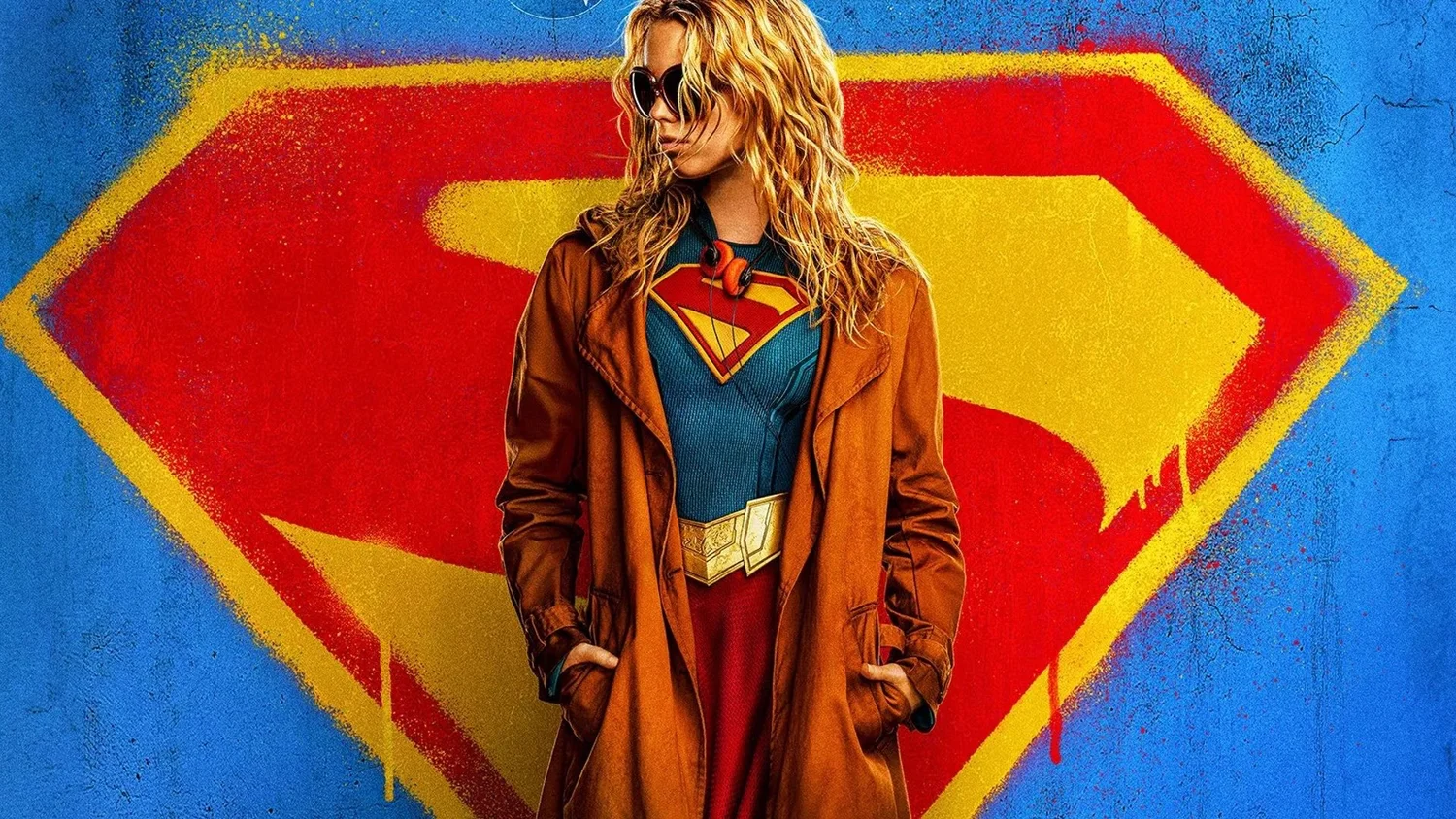
It’s definitely rough out there.
Dropping around 75% in its second weekend is a massive hit for a major DCU film, and the internet is doing what it always does…flooding the comments a gross amount of hate 🙃
But I will say, some of the actual criticism is definitely warranted. There are plenty of flaws with the movie. The visuals, the script, the unnecessary changes from the source material.
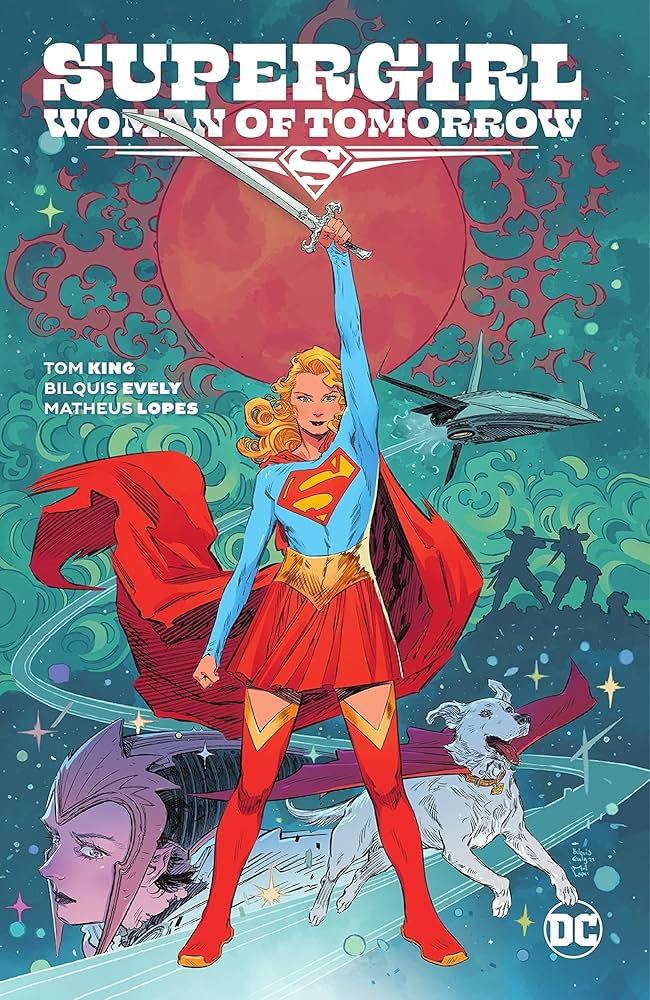
It's definitely a messy follow-up to last year’s Superman.
But if you tune out the box office noise and just look at what actually works for the film, there are still a couple of massive bright spots!
For me, Milly Alcock’s raw performance and Claudia Sarne’s hybrid score were easily the best parts of the entire movie. Claudia really understood how to portray Milly's performance as Supergirl on screen.
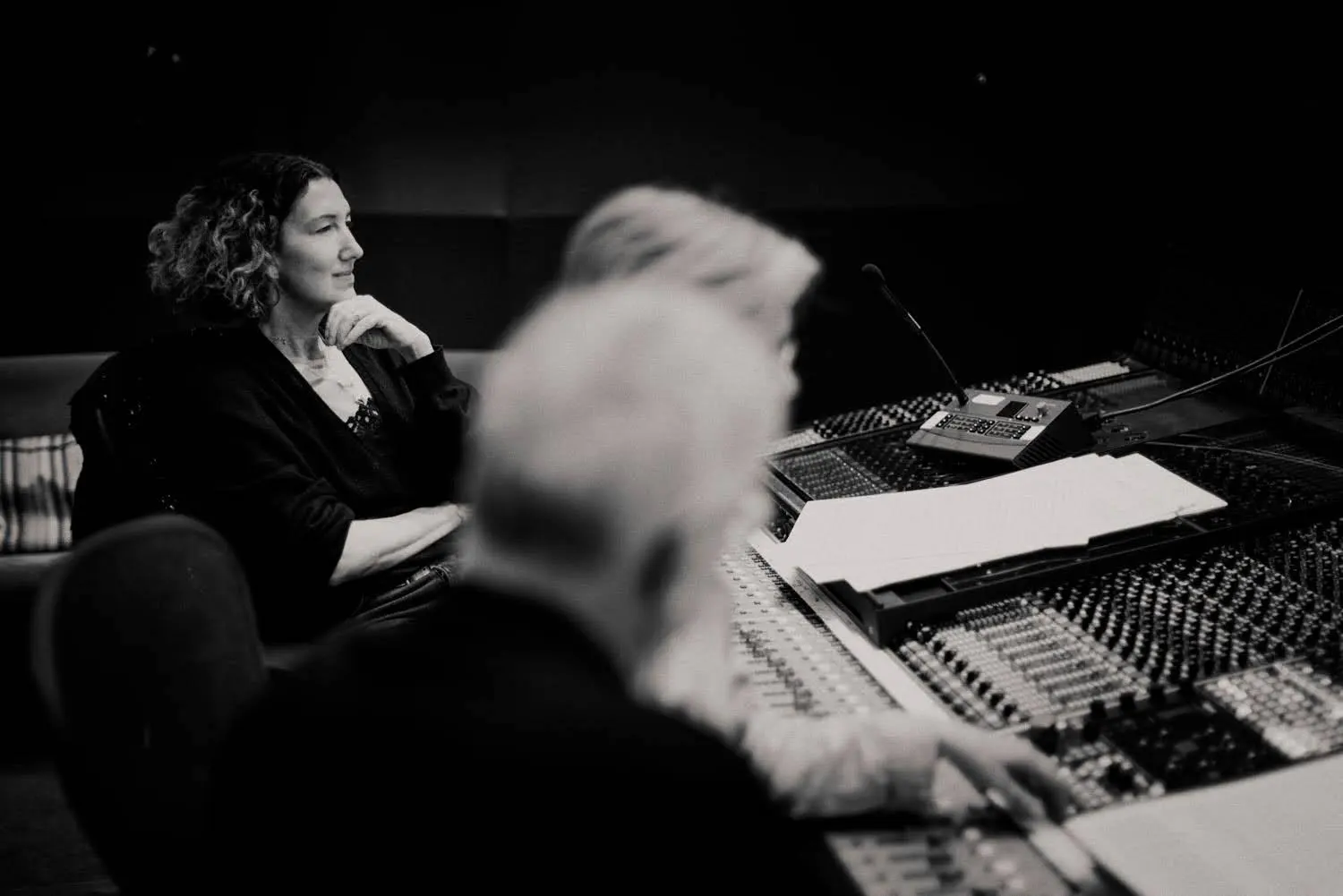
I typically don’t care for massive, wall-to-wall electronic scores.
My personal taste is usually more orchestral. I lean towards Michael Giacchino, John Williams, John Powell, etc. But I really appreciated so much of what Claudia did with her music!
The way she balances this gritty electronic sound with incredibly intimate, emotional character writing is fantastic!
And what makes it even crazier is that she only had a five-week window to write the entire thing after the project had already gone through two other composers.
It's easy to think that this kind of production timeline would result in a total tonal mess. But this score isn't just "good enough for a rush job".
It’s genuinely great in spite of everything Claudia was up against.
While the behind-the-scenes drama clearly caused problems for the rest of the film (the studio testing a different cut from the director's, the change in needledrops, new writers and editors being brought on in post)...I really don’t think the score took as big of a hit.
Keep in mind that the composer and scoring process is traditionally one of the absolute final stages of post-production.
We always hear about those massive collaborations where a composer is brought on from day one (like Christopher Nolan and Hans Zimmer, Ryan Coogler and Ludwig Göransson, or Steven Spielberg and John Williams.)
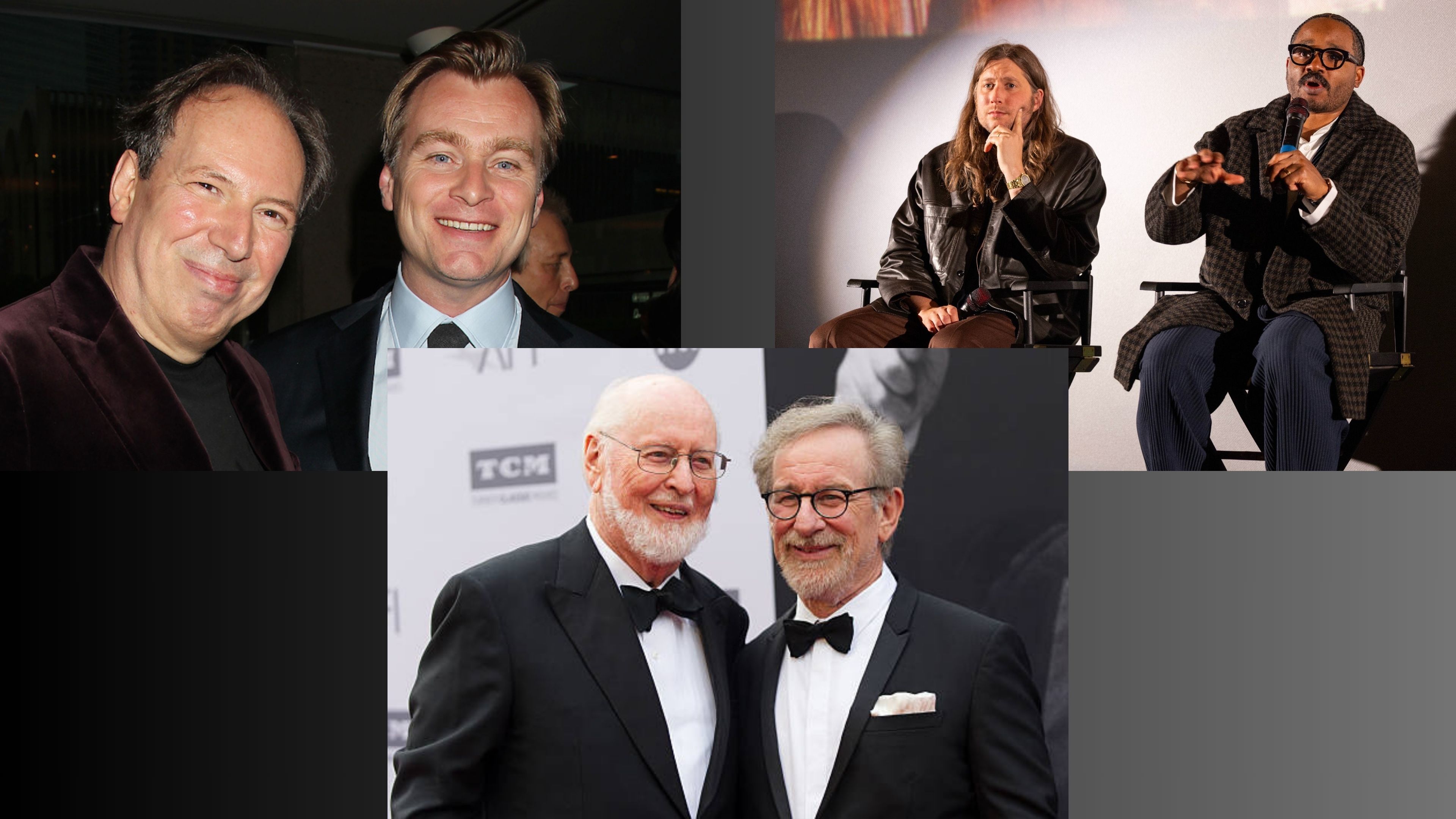
In those ideal scenarios, the music is being created right alongside the script or as scenes are being filmed.
But on the other hand, joining a project late in the game is actually pretty normal.
Yes, five weeks is definitely on the extreme end of the spectrum. It reminds me of Giacchino's four and a half weeks to work on Rogue One.
Ultimately, the studio's transition from Ramin Djawadi to Tom Holkenborg and finally to Claudia Sarne felt like the best decision for Kara’s arc as Supergirl.
While the film is action-oriented, gritty, and likely had to bones for a Junkie XL style score, it's fundamentally a story of grief and isolation.
We will never know what a Djawadi or Holkenborg score might sound like.
If you saw my "Most anticipated scores of 2026" video, I actually was really excited for Djawadi. (And Sarne wasn't even announced until about a week after this video was released!!)
But I'm very happy with the one we ended up getting.
Claudia’s ability to balance intimate, dramatic moments with industrial and electronic textures made her a great fit!
On top of that, Claudia joining this project is a pretty big moment for the industry.
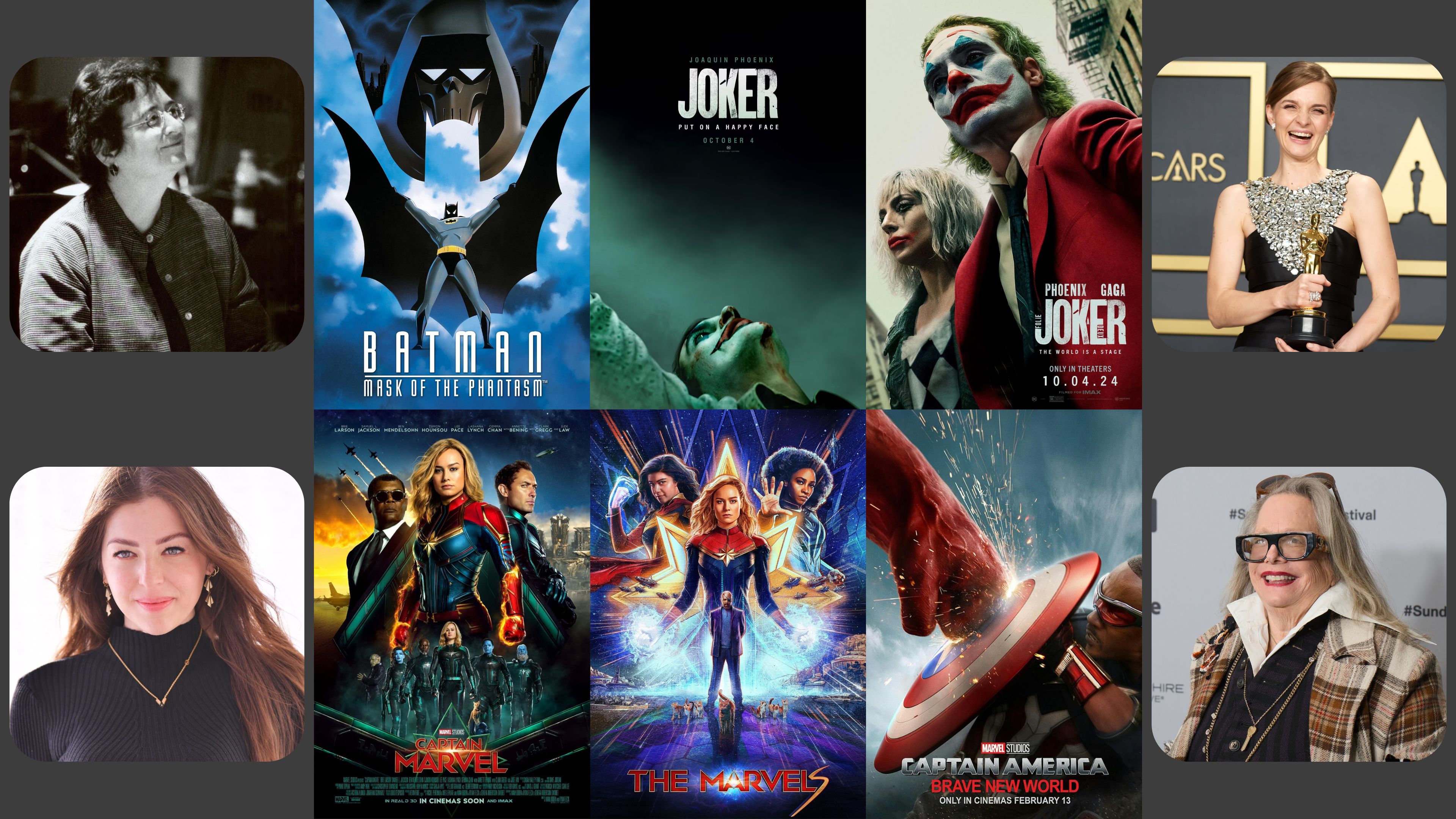
She’s the first woman ever to score a live-action "DC universe" feature, joining an incredibly small group of women who have broken into this tier of superhero filmmaking:
Shirley Walker (Batman: Mask of the Phantasm)
Pinar Toprak (Captain Marvel)
Laura Karpman (The Marvels and Captain America: Brave New World)
Hildur Guðnadóttir (Joker and Joker: Folie à Deux).
Now if you want to check out my actual breakdown of the score's overarching theme, my latest video is officially out!
In it, we take a close look at exactly how Claudia approached Kara's theme and why it works so perfectly for her character.
And if you're reading this, you'll already know my position on the score but it's still worth a watch for understanding how the musical choice help support the story!
Grab your beverage of choice, check out the breakdown, and enjoy.
As always... Happy Composing!
~ Robert
PS: If you want to support women in the film music industry, consider donating to the Alliance for Women Film Composers. This isn't sponsored by them or anything. I just genuinely enjoy their work!
Sign up for OdysseyNotes!
Stories, reflections, and insights on how composers create emotion through sound!