- Nov 11, 2025
I Didn’t Expect the Frankenstein Score To Feel So Alive!
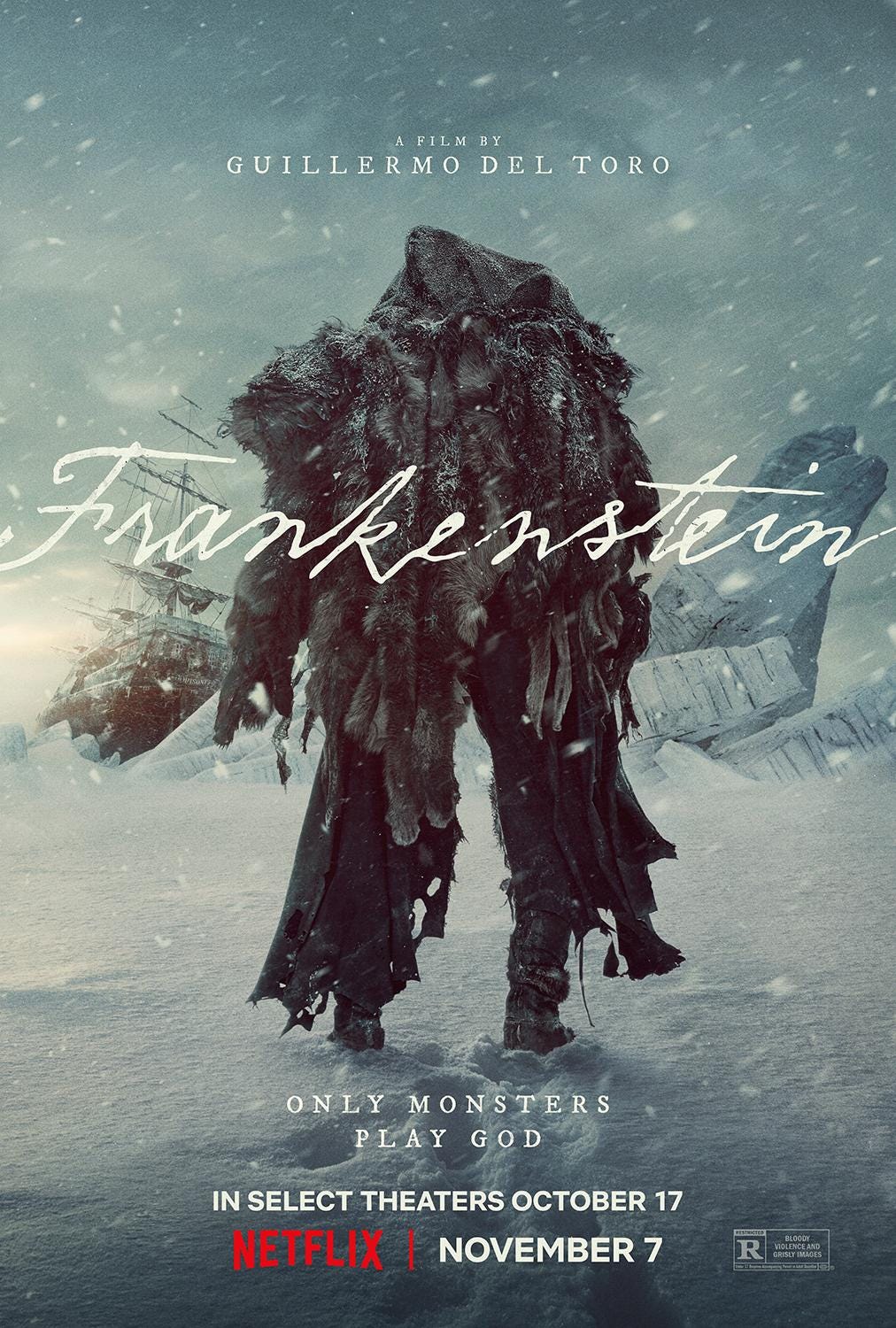
Over the weekend, I’ve (not so quietly) become obsessed with Guillermo del Toro’s Frankenstein on Netflix. I’ve rewatched scenes, listened back to Alexandre Desplat’s score, fallen into the YouTube conversation rabbit hole, and finally picked up Mary Shelley’s original 1818 novel!
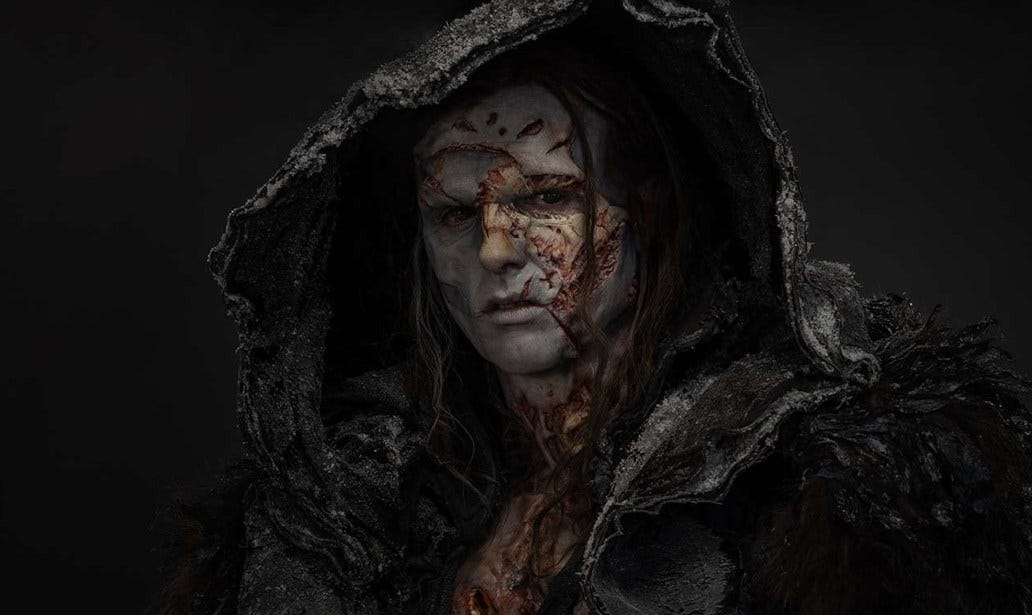
Not only because the imagery, the sets, and the performances were absolutely stellar, but because Desplat’s score turns this gothic horror story into something surprisingly intimate about generational trauma, forgiveness, and how we choose to see each other.
OdysseyNotes is a reader-supported newsletter. To receive new posts and support my work, consider becoming a free or paid subscriber.
(Warning: Spoilers for Frankenstein below.)
On a craft level, the film is absolutely gorgeous. The landscapes are breathtaking. The costume design is stunning. The acting is heartfelt and emotional. Oscar Isaac is a magnificent Victor Frankenstein — obsessive, self-indulgent, a scientist willing to do whatever it takes to conquer death.
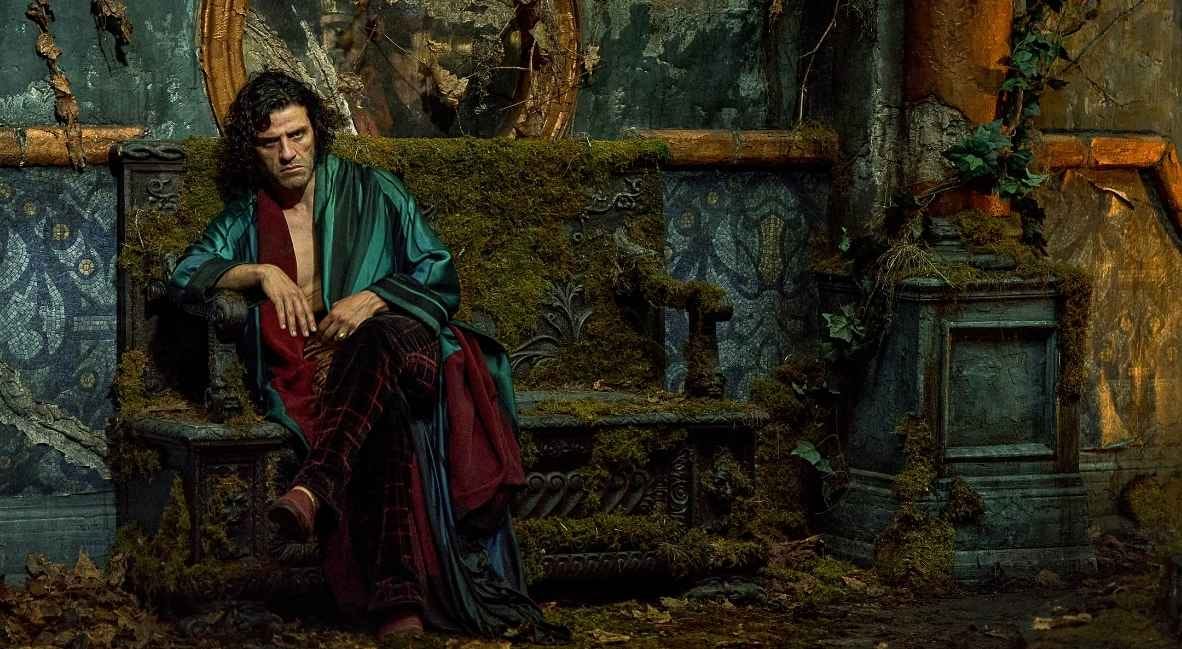
And Jacob Elordi’s performance as The Creature goes above and beyond anything I could have imagined. I also love that the film credits him as The Creature, not “the monster.” Del Toro leans into that distinction. The Creature is only a monster in the eyes of those who treat him that way — from Victor himself to the hunters in the woods. But characters like Mia Goth’s Elizabeth and David Bradley’s Blind Man see the Creature as gentle, as light, as a friend.
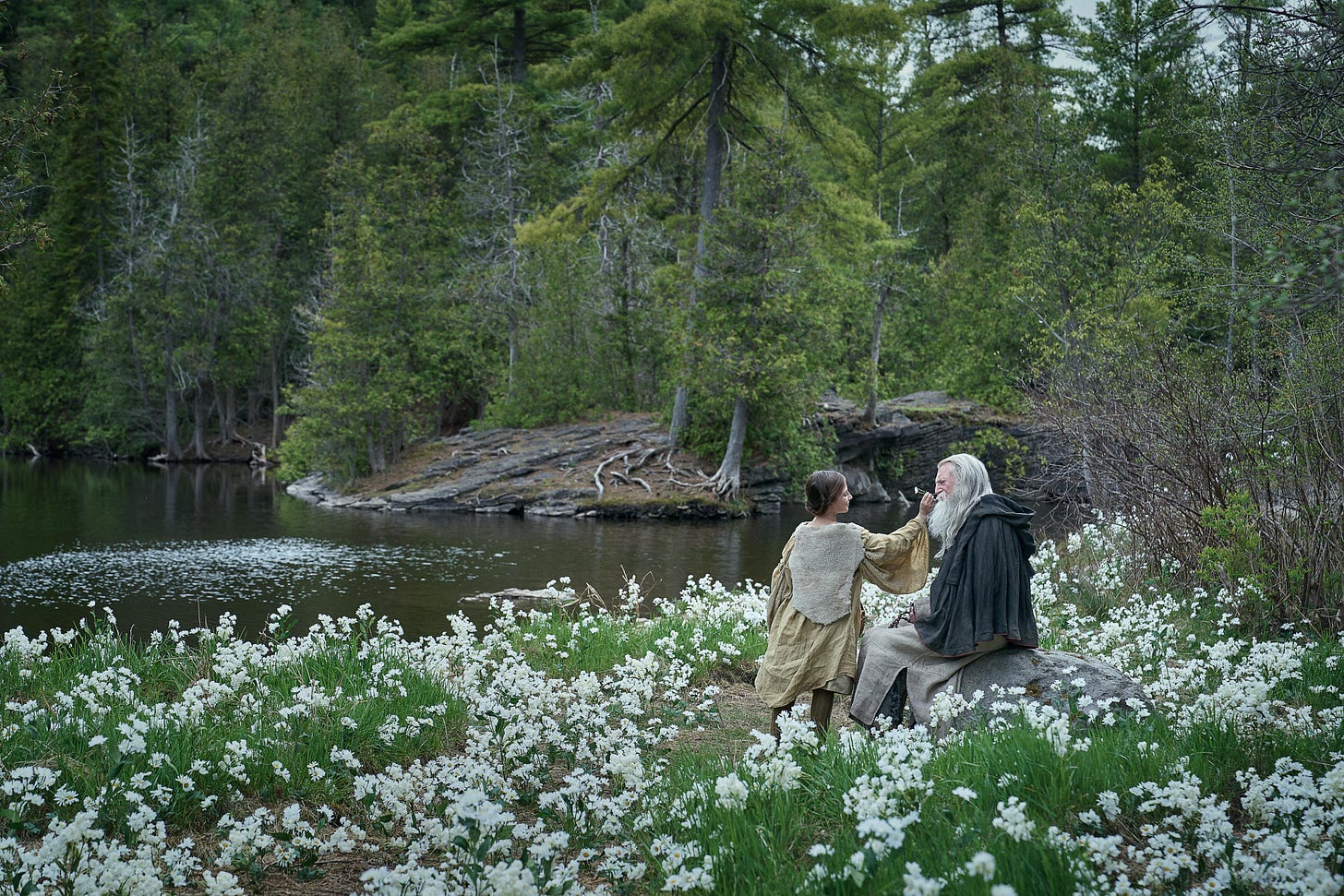
That tension (monster vs. man, nature vs. nurture) is where Desplat’s score really shines.
As a new father who also lost his own dad a few years ago, the themes of generational trauma, forgiveness, and the relationship between a father and son struck a very personal chord.
I think about how incredible my father was, and I’m also reminded of his flaws despite his best efforts. I think of how I want to do right by my own son, knowing I’ll inevitably make mistakes that may impact him too.
Del Toro’s ending and these core themes feel like a stark contrast to Mary Shelley’s original 1818 novel, which ends in a much darker way. I had no idea this adaptation would affect me the way it did. Not only is Frankenstein possibly one of my favorite films of the year but it may also be one of my favorite scores.
Alexandre Desplat is no stranger to Guillermo del Toro’s world (2017’s The Shape of Water, 2022’s Pinocchio).
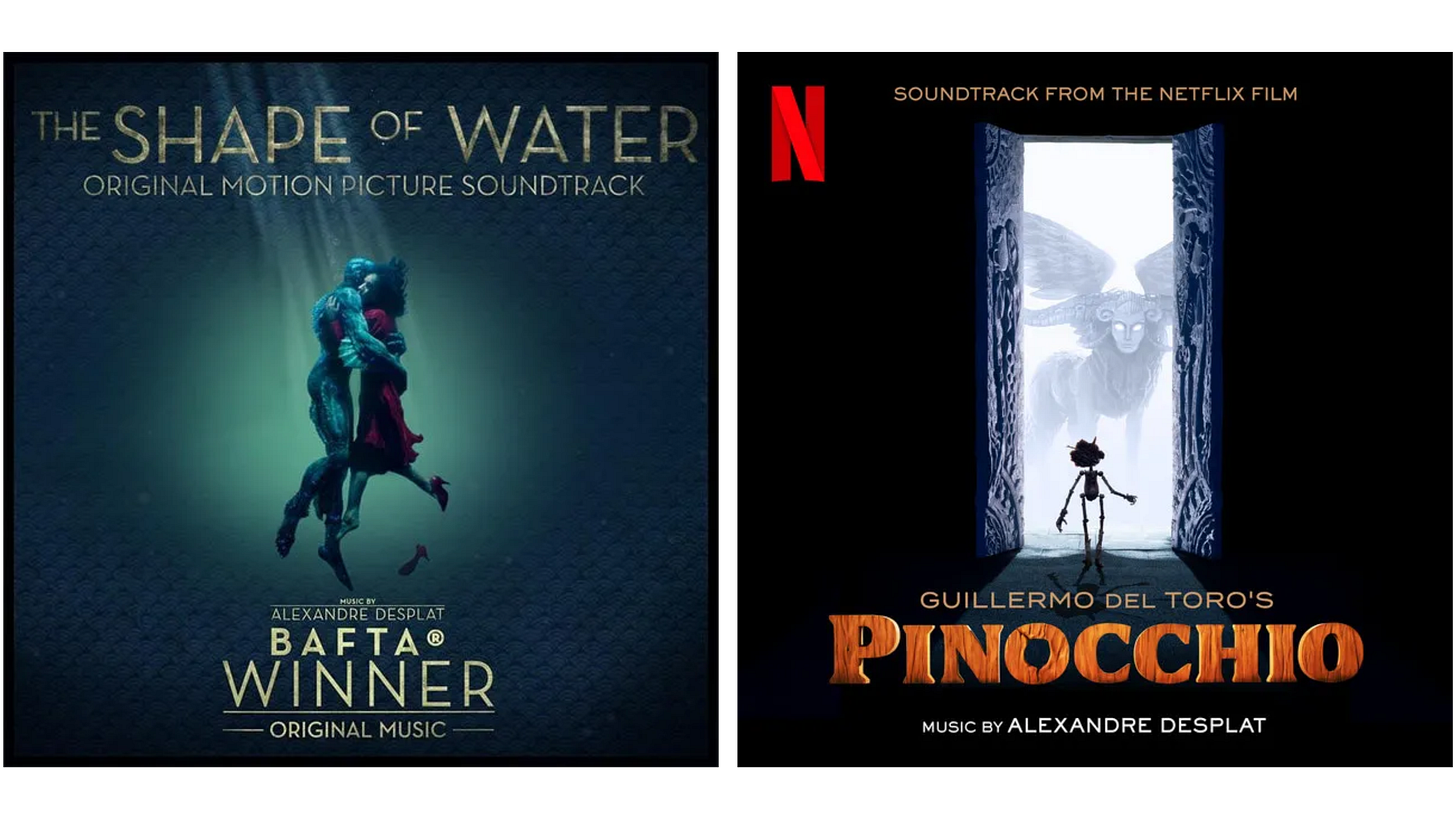
I usually love his work. There’s an elegance and emotional darkness to his writing that makes him a perfect fit for this gothic sci-fi horror. It’s wild to me that within the same year, Desplat could write the Jurassic World: Rebirth score, which didn’t resonate with me at all, and then deliver Frankenstein, which is an instant personal favorite.
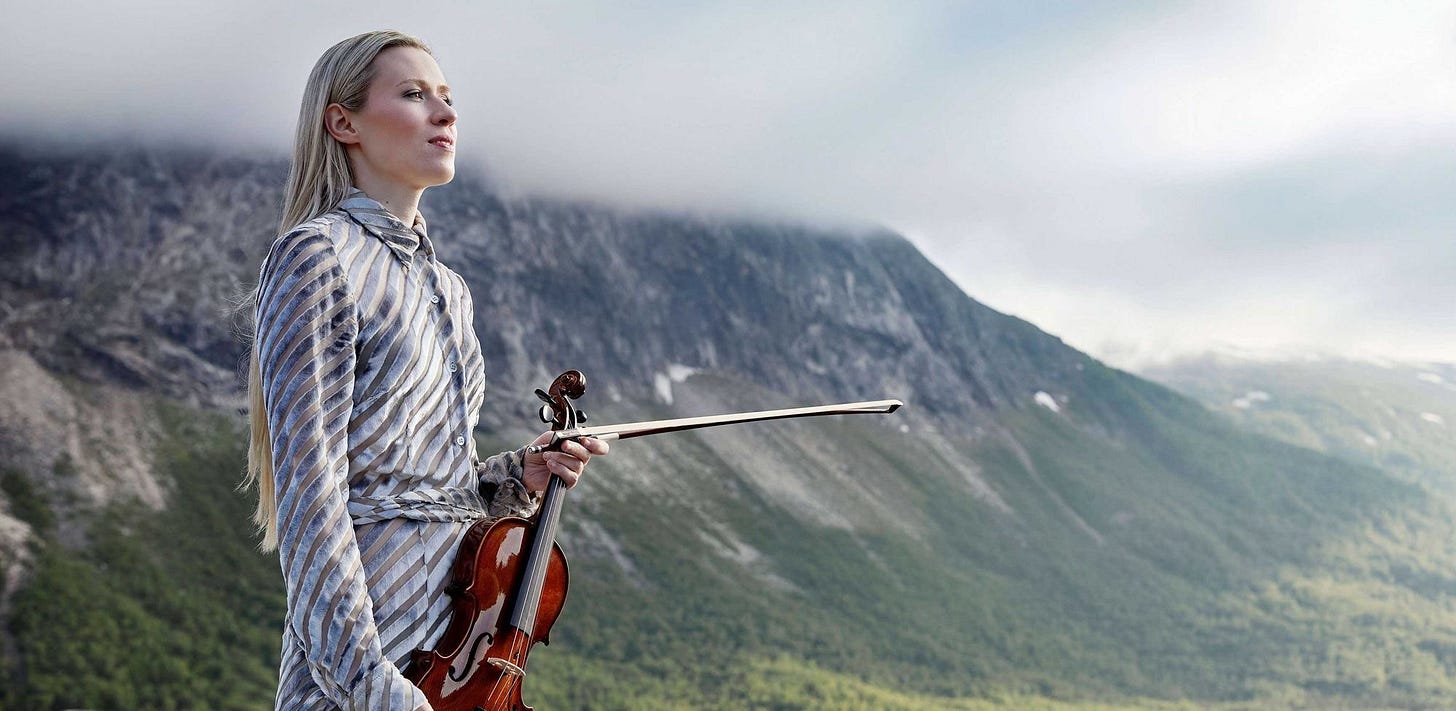
Right from the start, Desplat introduces us to the Frankenstein theme, and it’s gorgeous. The score makes it clear that the performance and nuance of the melody matter just as much as the music itself. 22 of the 37 tracks on the official soundtrack feature Eldbjørg Hemsing as solo violinist. Her playing is haunting, lyrical, intimate yet methodical as though every bow stroke has an intention as it glides across the string.
The Frankenstein theme itself is dramatic and incredibly eerie when you first hear it. It’s built around “sections” in large interval jumps while also keeping notes as close as possible?! It’s an interesting melody for sure!
For example, the core idea moves from E to D♯, then jumps down the octave and flips the interval’s direction from D♯ back to E. It then finishes with B to C to a sustained B all half-step motion scattered across the E harmonic minor scale. It constantly feels like it’s straining against itself, which is perfect for Victor… obsessed, brilliant, never at peace.
Throughout the score, you can hear how Desplat writes around the soloist. Eldbjørg’s violin sits at the center of the music, with strings and wind textures supporting underneath. I’m pretty sure I even hear a soft bass synth with a subtle tremolo effect during the Frankenstein theme (and a few other tracks as well). I could be wrong about the exact sound, but I immediately and vividly associate it with a low electrical rumble — the hum of enough power to bring a man back to life.
Yet, even in the bigger moments (“Explosion,” “The Tower,” “Don’t Delay,” etc.) when a fuller ensemble comes in including brass and percussion, it still doesn’t feel like a modern epic “blockbuster” score. It feels more like a grand, classical performance in a concert hall.
But what really stands out for me is his use of choir. The human voice has such a primal quality to it, a perfect pair to the lyricism of the solo violin. It sounds pure, ancient…and Desplat isn’t afraid to use it liberally throughout the score! From the soft intimacy of the main Frankensteing theme or “Burning Angel” to the tension and dissonance of “Explosion” or “The Tower”
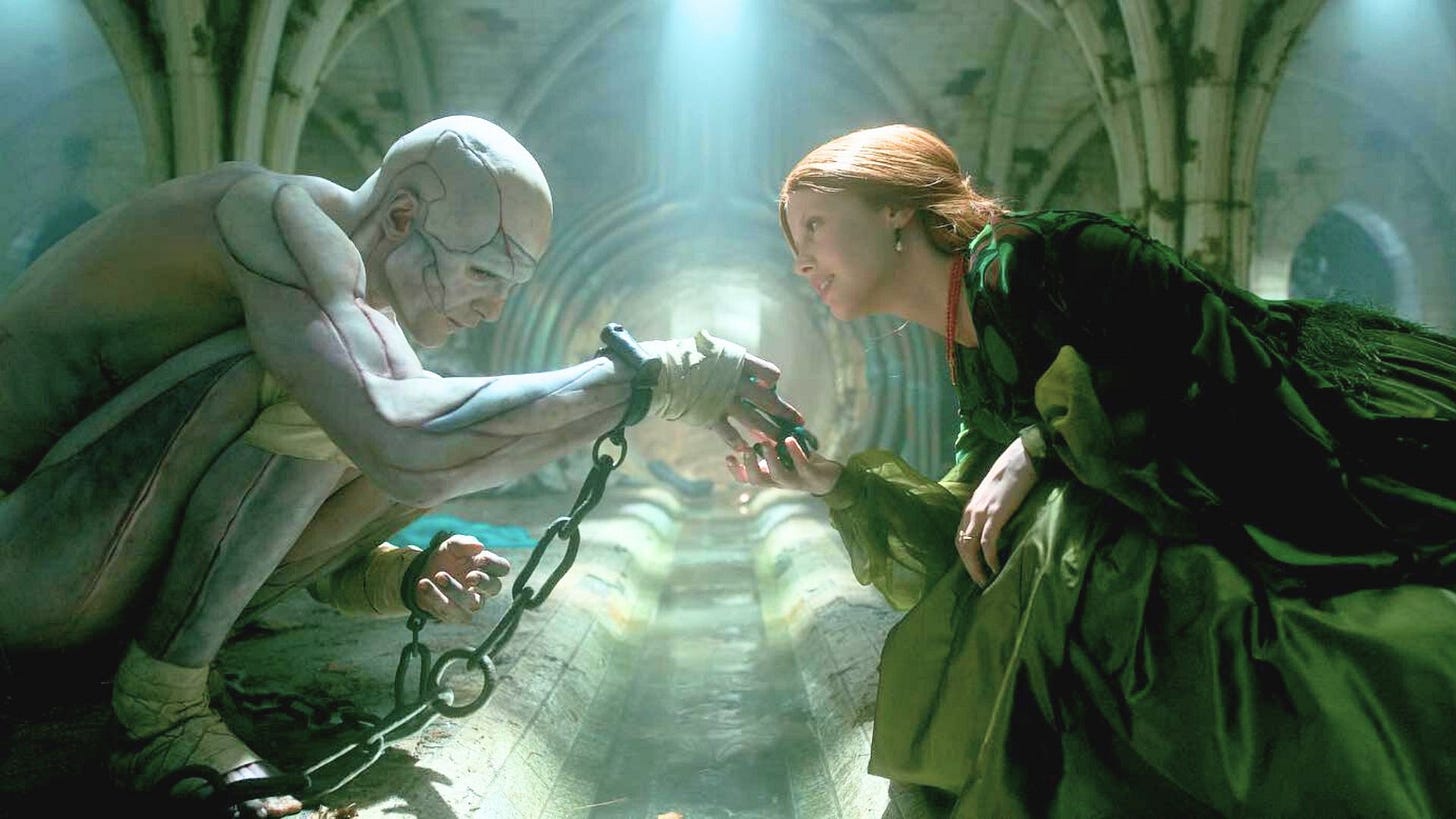
Then there’s the music that surrounds The Creature. His theme immediately feels more intimate and naturally lyrical compared to Frankenstein’s. We get a beautiful, almost romantic version of it in “The Awakening.” The intervals are closer together, the line is smoother, with fewer dramatic leaps. In tracks like “Elizabeth Meets the Creature”, “Floating Leaf”, and “Family Life”, the instrumentation emphasizes just how delicate and soft the Creature can be when he’s treated as a friend, like family…with respect rather than fear.
As a composer, what really sells the “living, breathing” story of a world is when the music convinces us it exists inside that world. What are the performances like? How is the music orchestrated? What does intimacy sound like compared to triumph or despair? If we close our eyes, do we feel like we’re actually there, standing between Victor and his creation?
For me, this may go down as one of Alexandre Desplat’s best scores yet.
In this film, I can feel Victor’s obsession. I can feel the pain of the Creature. I can feel the anger and hatred between them…and ultimately, the relief of forgiveness.
Del Toro did a masterful job crafting his own version of Frankenstein, but Desplat’s music is what breathes emotional life into each character and relationship. The themes, the performance, the orchestration…they’re all working together to tell a story about whether we choose to see a monster, or a person who desperately wants to be loved.
I’m already looking forward to my next rewatch. I have a feeling this score is going to be on heavy rotation for at least the next month!
Thanks for reading OdysseyNotes! This post is public so please feel free to share it.
Sign up for OdysseyNotes!
Stories, reflections, and insights on how composers create emotion through sound!