- Dec 31, 2025
The Top 10 Film Scores That Defined My 2025
2025 was a strange, beautiful, and deeply innovative year for film music.
While we’ve always seen composers push for something “new,” this year felt like a shift in how music was allowed to live inside of a story. We saw some of the biggest names in the industry getting weirder, more intimate, and more experimental than I’ve seen in a while…using the score as a physical extension of the world-building.
For me, the scores that stood out weren’t always the ones with the biggest or most memorable sweeping themes, but the ones that used sound design, rhythm, and harmony to tell us something deeper about a characters’ internal struggle or a story’s history.
Whether it was revisiting an iconic legacy (aka number 10!) or redefining a genre, I’ve put together my top 10 film scores of 2025. These are scores that have challenged me, inspired me, and reminded me why I fell in love with this craft in the first place!
10: How to Train Your Dragon | John Powell
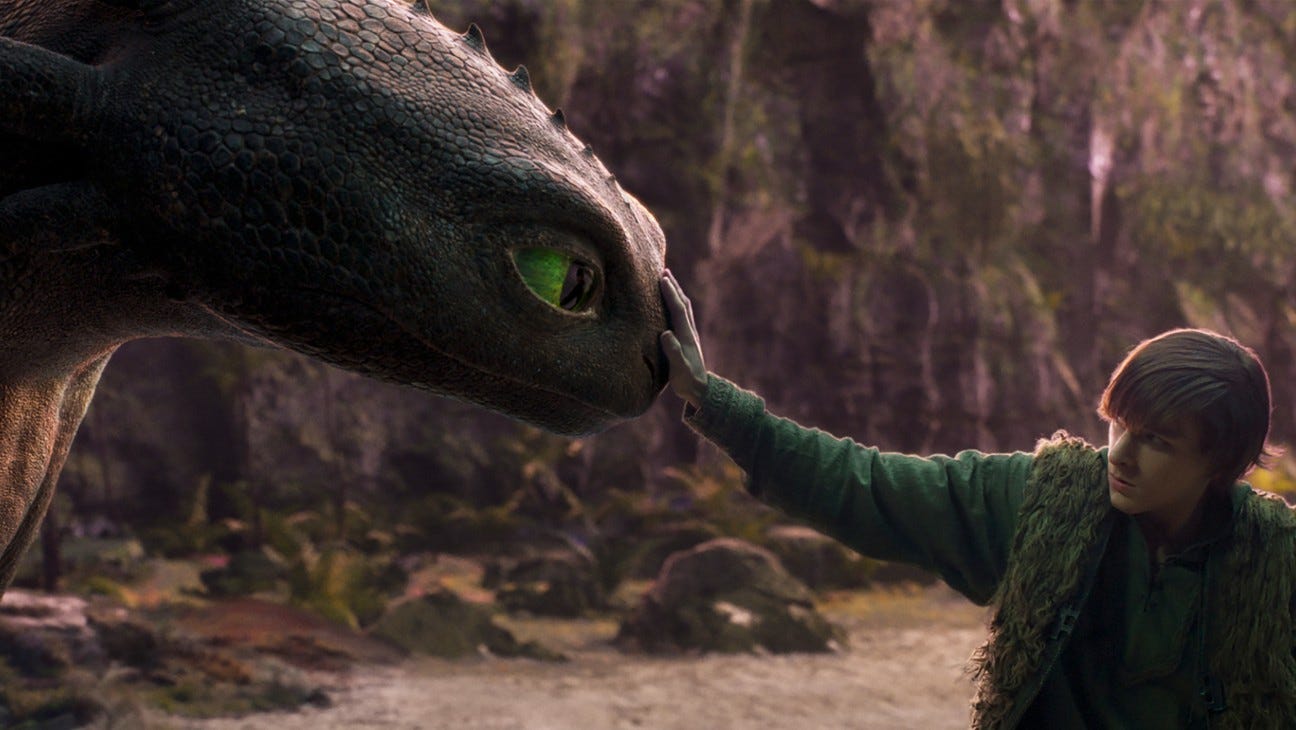
Starting off my top scores of 2025, at number 10 is How to Train Your Dragon by John Powell!
It’s almost impossible to revisit a score as perfect as the original HTTYD (easily one of my favorite animated scores!!), but Powell managed to retranslate his own work without losing the heart of it.
For the live-action version, he moved away from the hyper Mickey Mouse style of animation scoring and focused on more grounded, earthy textures. He leaned harder into the Scottish/Nordic folk elements, using more authentic instrumentation (uilleann pipes, hardanger fiddles, etc.)
It’s such a great peak into thematic development and adaptation, taking beloved themes and evolving them so they feel re-energized within a new “live-action” context!
9: Bring Her Back | Cornel Wilczek
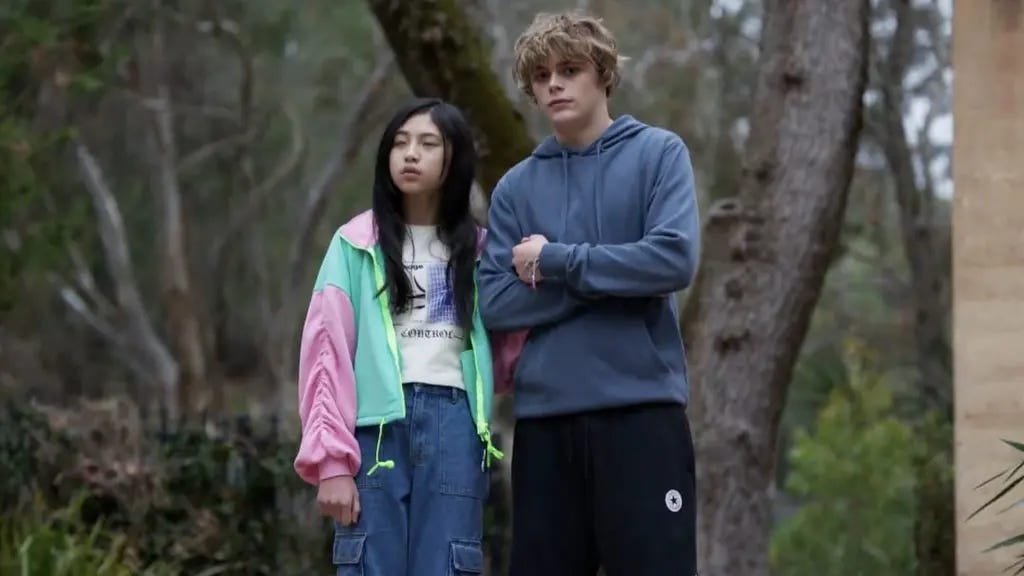
At number 9 is Bring Her Back by Cornel Wilczek. He collaborated once again with the Philippou brothers for this one (Talk to Me), and it’s a great look into how you can score a domestic nightmare without relying on cheap/common horror tropes!
Wilczek stayed away from classic jump-scare stings entirely. Instead, he leaned into this idea of “sonic decay.” He used a Paul Vo magnetic bow on his guitar to create these long, unsettling sustained tones that represent the weight of grief in the story. He even recorded his own family’s voices and processed them into custom instruments to help build out the atmosphere!
The score itself feels deeply personal and almost…physical. There’s so much dread baked into the textures. But then it ends with an absolutely gorgeous final track “Breaking the Circle.” What a wonderful and unexpected score!
8: Marty Supreme | Daniel Lopatin
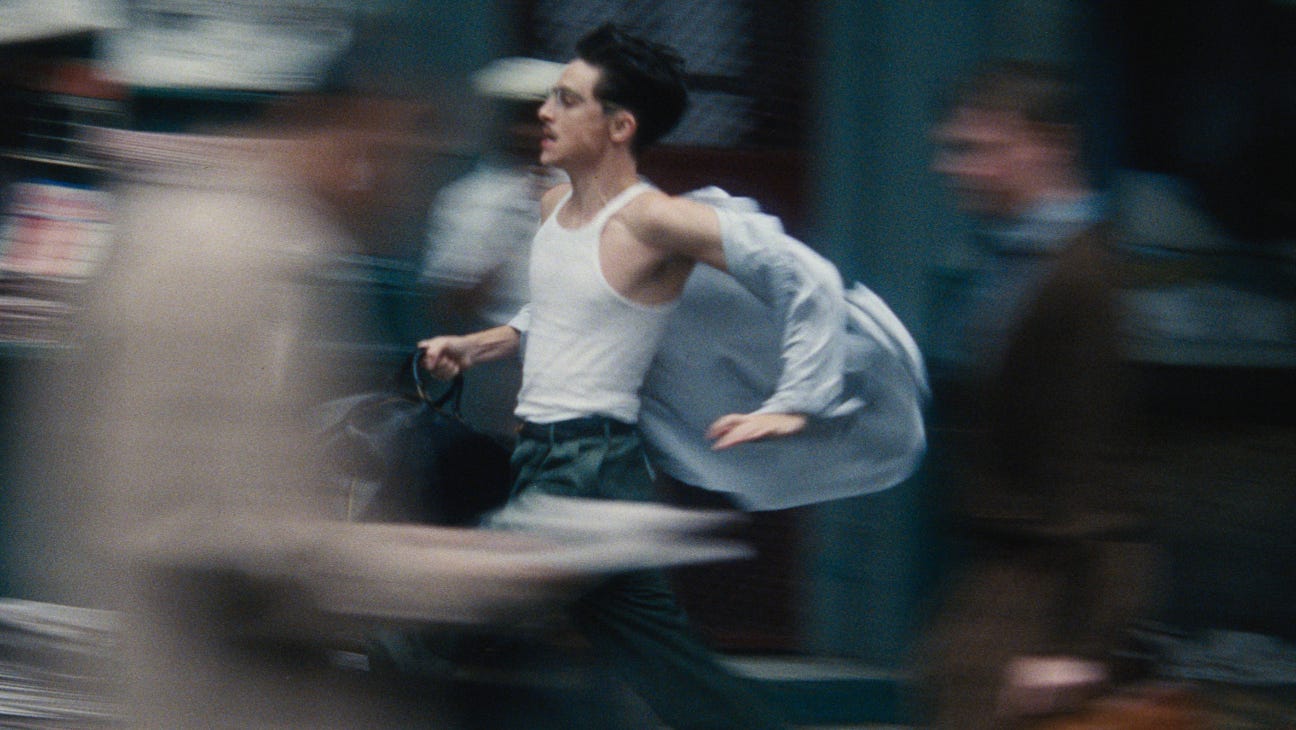
Coming in at number 8 is Marty Supreme by Daniel Lopatin (Oneohtrix Point Never). Okay I’ll admit, this one is a bit of a cheat because I didn’t actually get to see the film this year. But after hearing so many people rave about both the film and the score, I did some research and listened to the soundtrack multiple times…and I’m SO glad I did!
Even though the film is a 1950s period piece, Lopatin completely ignores the era’s typical sound. He describes the music as being built on “buoyancy”, wanting the sounds to mirror the physics of a ping-pong ball: lightweight, quick, and constantly in motion.
While the 1950s setting is represented by flutes and choirs that definitely feel more traditional, Marty is scored with 80s synths. It’s supposed to make him feel more futuristic in contrast to his surrounding! I’m still in the process of listening to a few interviews with Lopatin but it’s just an incredibly creative way to approach a score!
7: Wake Up Dead Man | Nathan Johnson
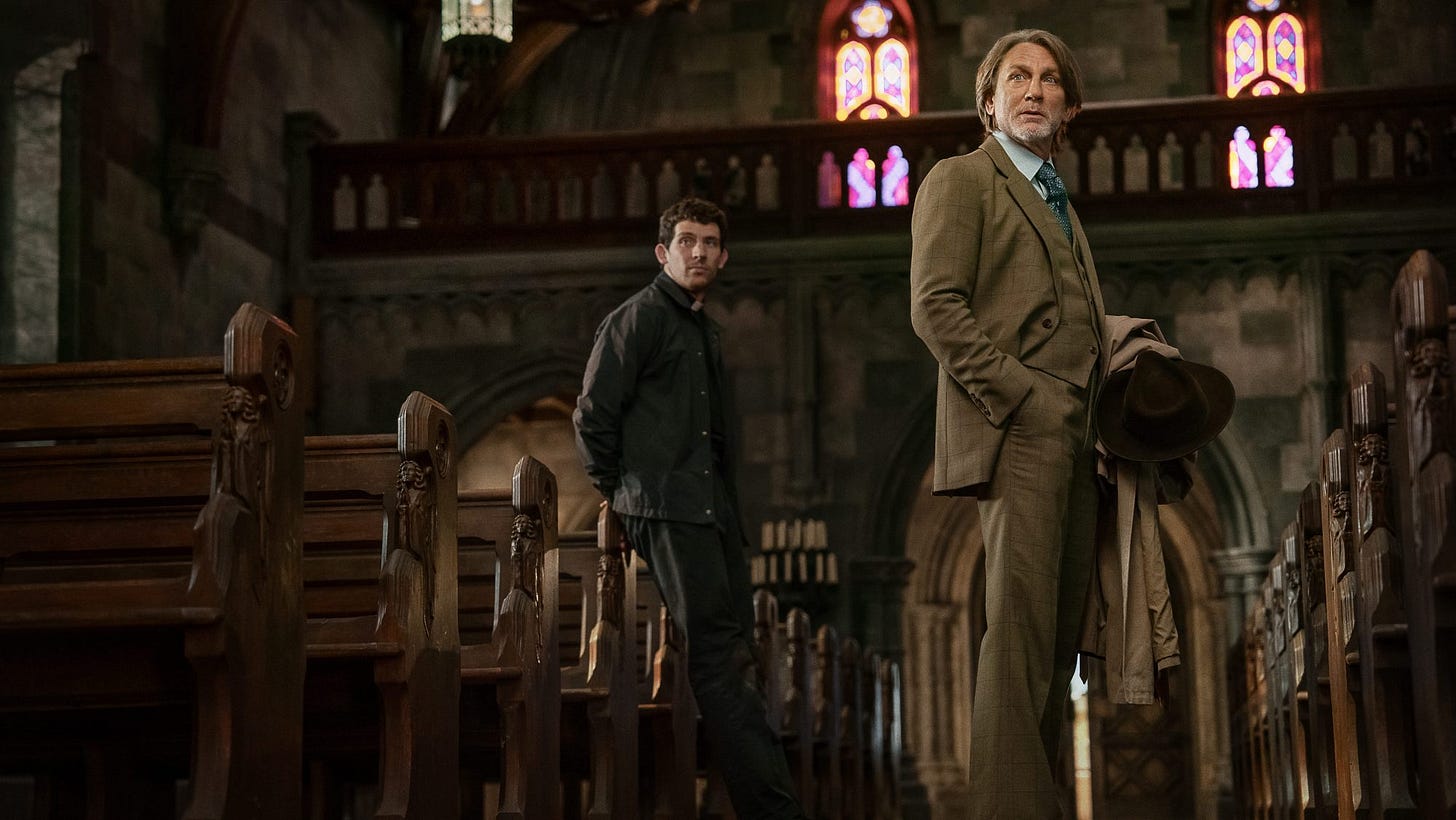
At number 7 is Wake Up Dead Man: A Knives Out Mystery by Nathan Johnson. What I love about this series is how Nathan and Rian Johnson treat each movie like a completely new sandbox to play in. While the first was a “cutting” string quartet and the second was more of a lush, 70s romantic orchestra, this one goes full Gothic. It’s dark, dusty, and intentionally unsettling!
There’s a constant sense of friction in the writing. You hear these beautiful, fragile melodies that are constantly being interrupted by harsh, scraping textures or the mechanical clicking of woodwind keys. It makes the mystery feel heavy and real.
It’s a great example of how much atmosphere you can create when you lean into the raw, mechanical character of the instruments rather than trying to make everything sound “perfect.”
6: Avatar: Fire and Ash | Simon Franglen
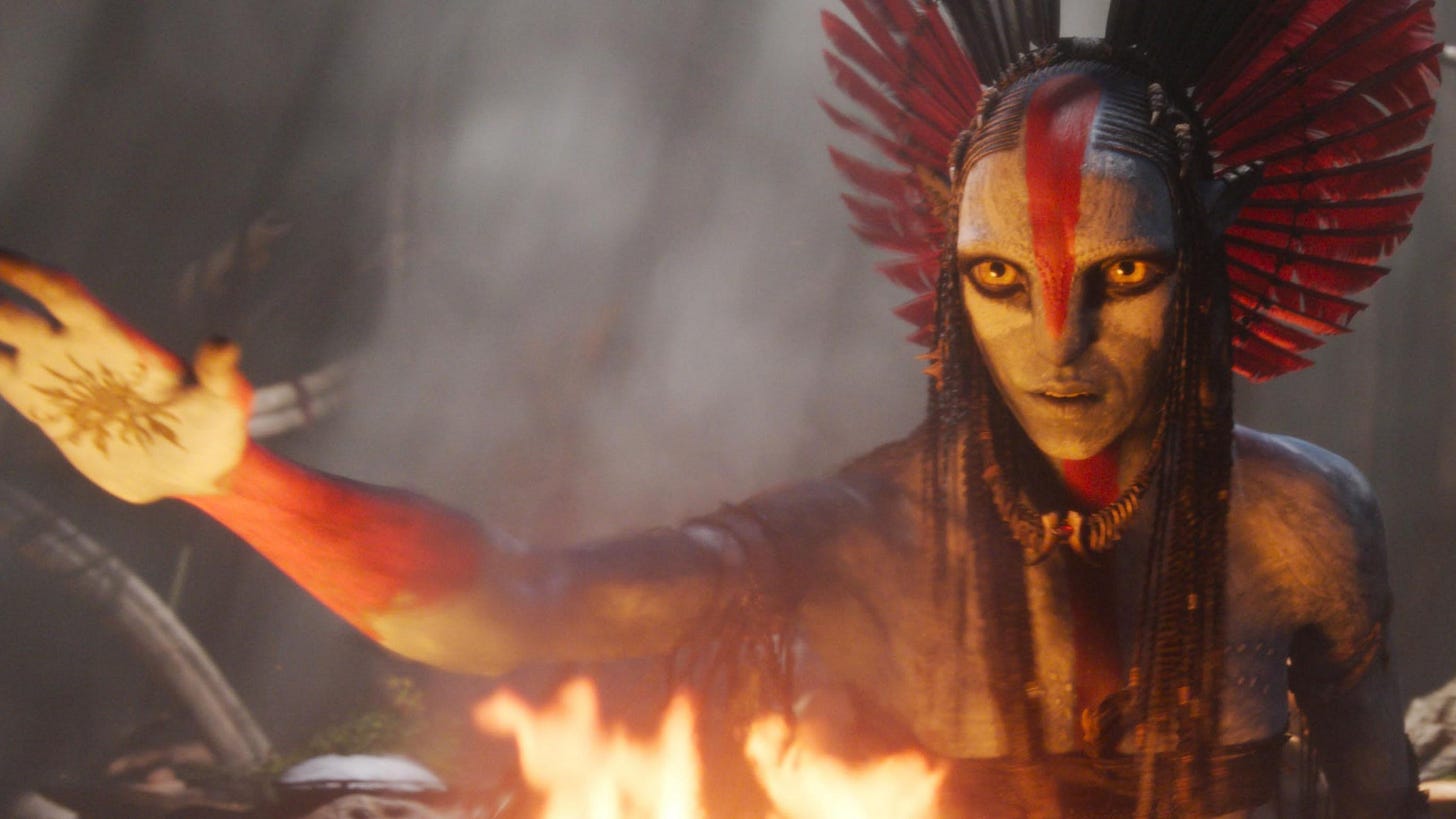
For the third Avatar film, Simon Franglen had to not only expand on the original James Horner score but expand on his own work from Way of Water. He had to find a way to make Pandora feel more hostile and dangerous.
So this score focuses on the “Ash People,” and you can really hear that shift toward a much darker, more mournful emotional palette. Instead of focusing on discovery, the music feels like it’s dealing with the traumatic events of the past two films, using these long, sorrowful drones that make the world feel heavy and oppressive.
I also loved the use of 3D-printed instruments in the score. Franglen mentioned that standard orchestral woodwinds like flutes sounded too “Earthly,” so he created these instruments to produce microtonal overtones that feel inherently alien. I
t’s also crazy that Franglen wrote over three hours of music for this film!!
I will say, it’s unsurprising considering James Cameron’s attention to every single detail for Pandora. He pushed Franglen to treat the score itself as part of the environment!
5: Frankenstein | Alexandre Desplat
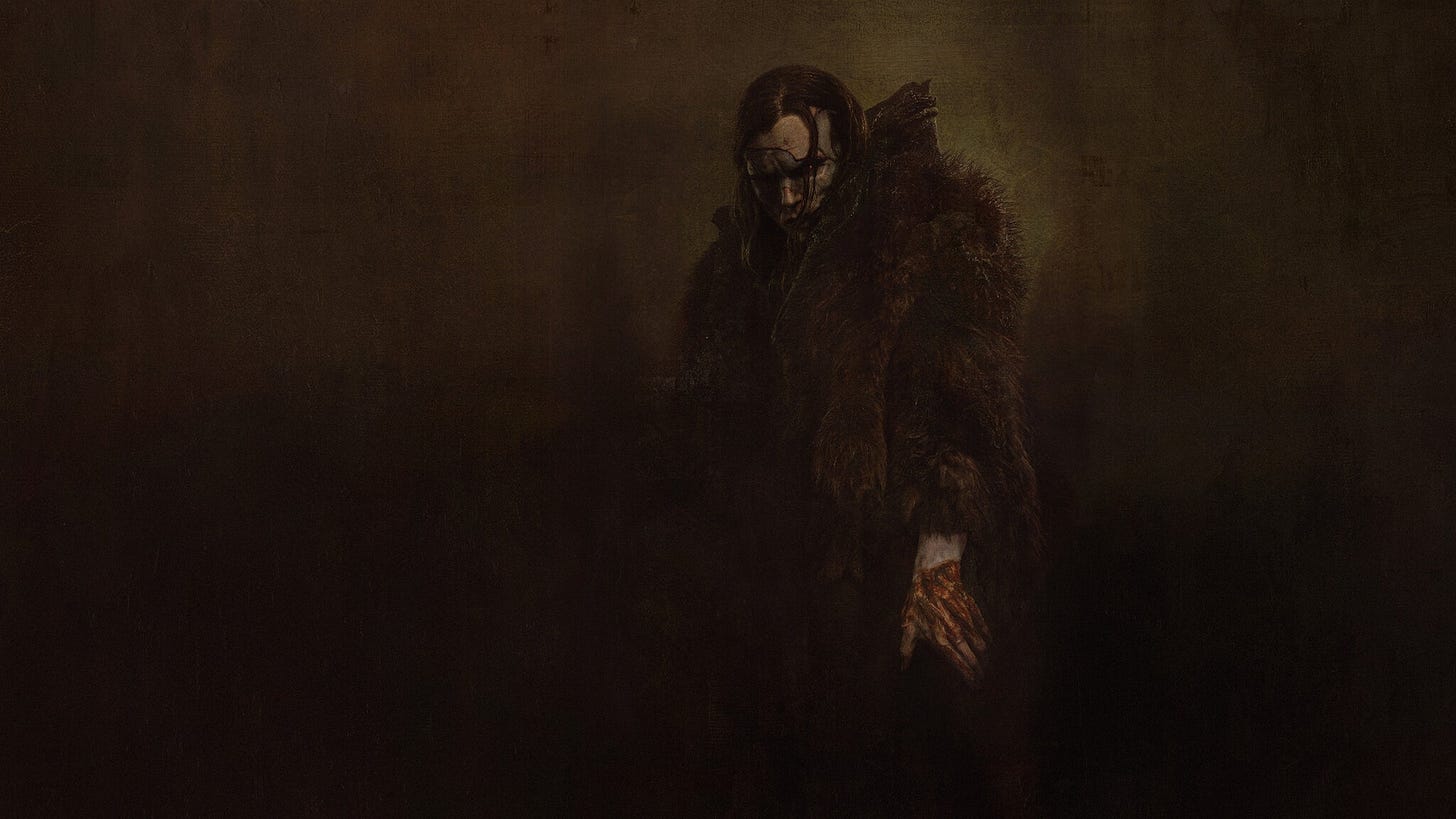
At number 5 is another Gothic tale, Frankenstein by Alexandre Desplat. To be completely honest, I’m still torn by the placement of this score. Part of me wants to place it higher but for now, I’ll keep it at 5th place.
I’ve become pretty obsessed with this one lately, especially because it turns a gothic horror story into something so intimate about generational trauma and the relationship between a father and son. The score balances the tension between the “monster” and the man perfectly, represented by Eldbjørg Hemsing’s solo violin.
Her playing is so haunting and lyrical that the performance itself feels as important as the music itself. I love the technical contrast Desplat builds: Victor’s theme feels like it’s constantly straining against itself with these dramatic leaps and half-step shifts, while the Creature’s themes are much more delicate and romantic.
It doesn’t feel like a typical blockbuster score. It feels like a grand yet nuanced performance that breathes life into a story about whether we choose to see a monster or a person who just wants to be loved.
4: Fantastic Four: First Steps | Michael Giacchino
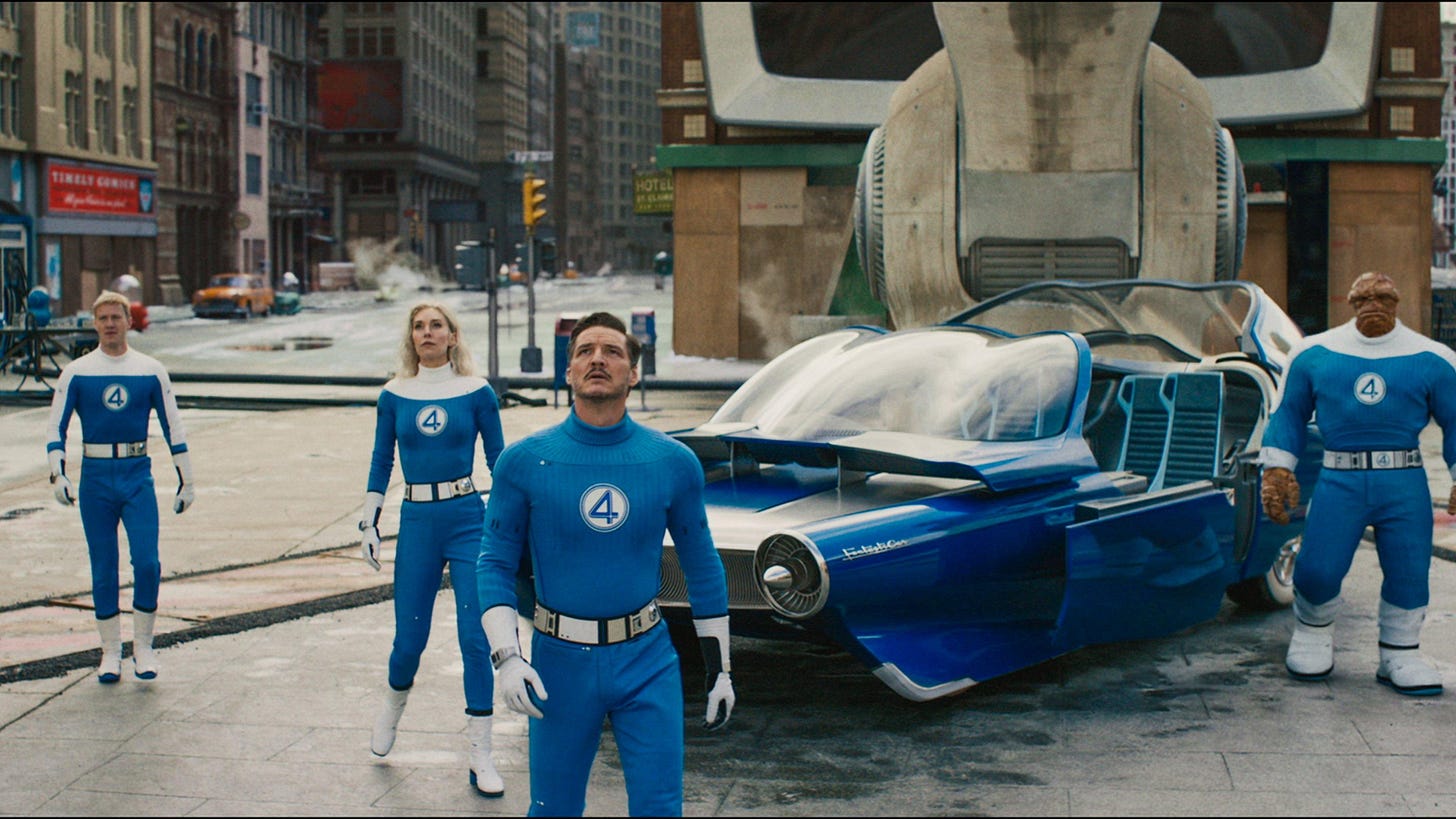
Giacchino’s theme for The Fantastic Four is such a fresh take on a blockbuster hero film because it treats the “First Family” with a level of earnestness we rarely see in superhero scores today. It manages to feel like a high-concept sci-fi adventure while staying rooted in this very intimate, “nursery rhyme” simplicity.
Giacchino completely embraces 1960s futurism. He’s described it as a mashup between the heroic scale of The Right Stuff and the quirky, optimistic energy of the Disneyland Main Street Electrical Parade. It’s a massive 100-piece orchestral and choral score that feels galactic in scale. The most “Giacchino” move is having a 100-person choir actually chant the name of the team in this rhythmic, lounge-pop style…kind of like an old Saturday morning cartoon theme song!
But what I love most is how he uses these ambiguous, augmented chords within the theme that act as a subtle warning. It creates this feeling that while we’re looking at this bright, retro-futuristic utopia, there’s a cosmic entity coming towards Earth.
3: Superman | John Murphy & David Fleming
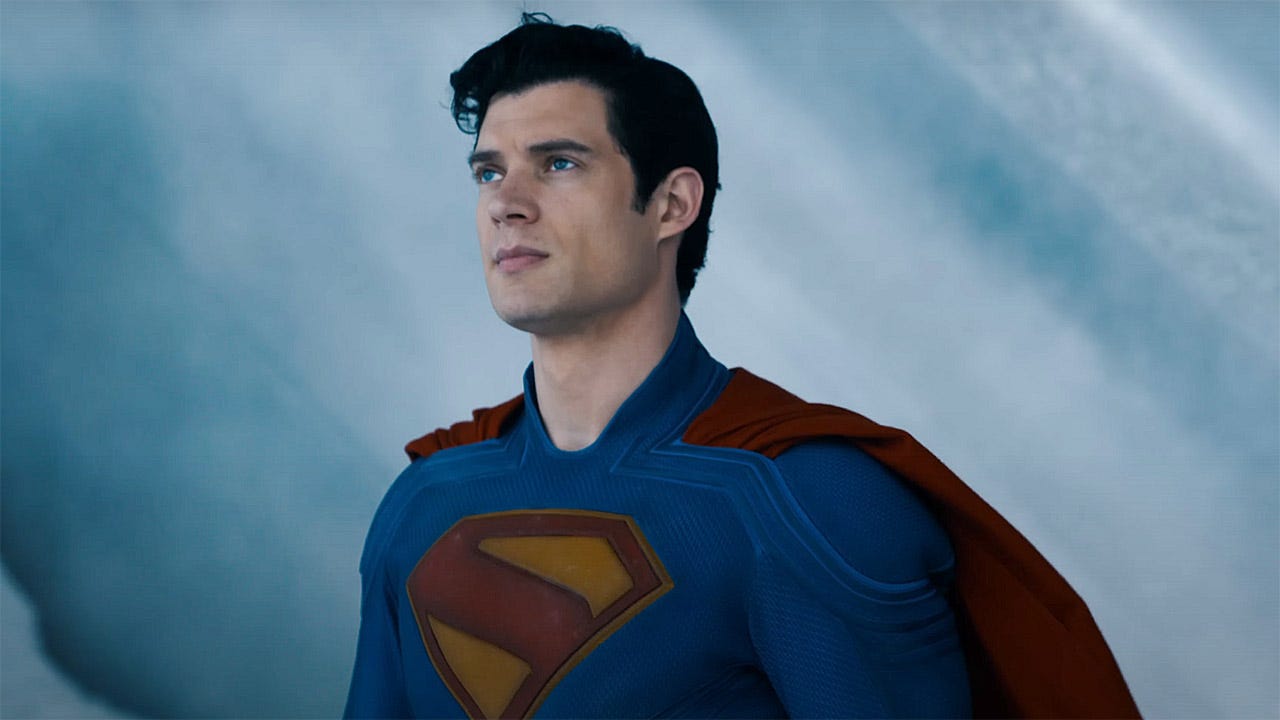
At number 3 is Superman. Taking on a character with arguably the most iconic theme in cinema history is a massive job. And as controversial as it may be, John Murphy and David Fleming managed to find a path that I think honors the past without being trapped by it.
They talked about “extracting the DNA“ of the original Williams score, focusing on those specific heroic intervals but re-contextualizing it for a Clark Kent who feels much more human and grounded.
What inspired me personally as a composer was how they found a small three-note motif from within Williams’ original theme and used it as the foundation for Superman’s humanity. It lets the score honor the legacy while allowing it to grow its own identity. They also brought in this surprising but very James Gunn “punk rock” energy. I thought it perfectly represented being unapologetically kind and good in such a cynical world.
2: Thunderbolts* | Son Lux
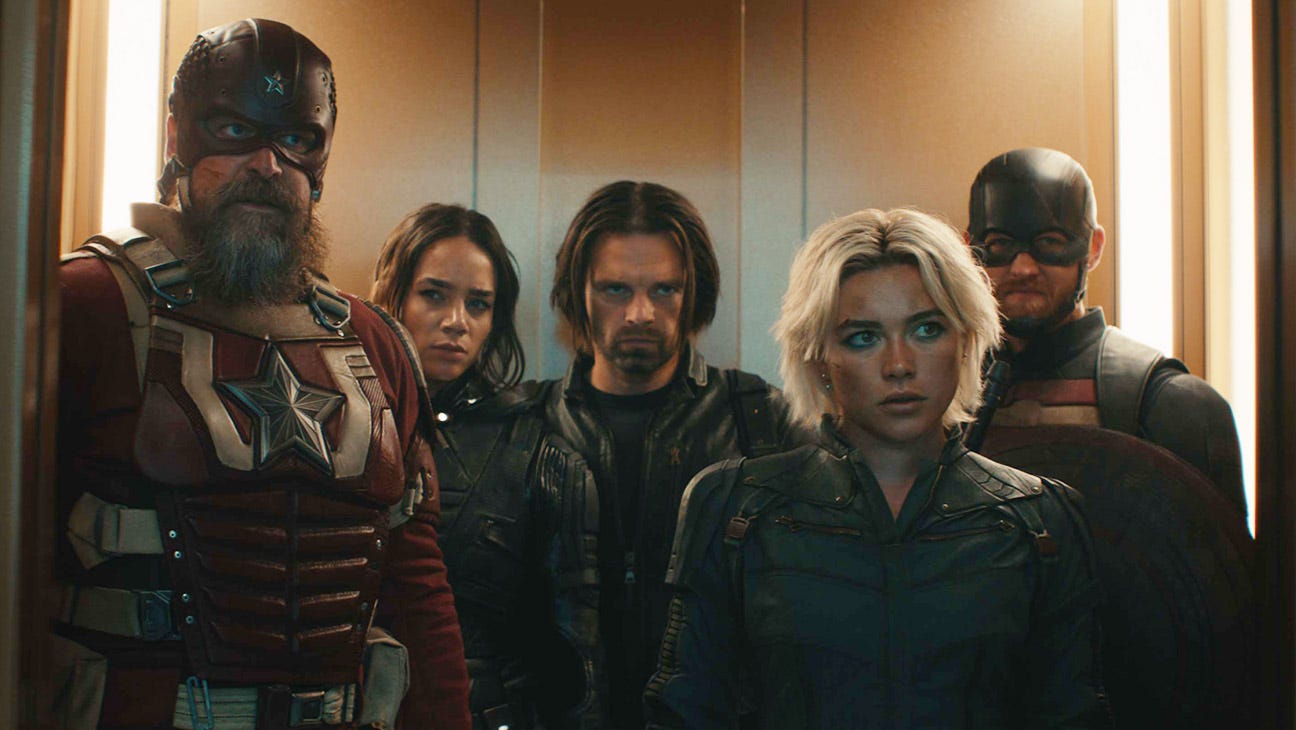
Coming in at number 2 is Thunderbolts* by Son Lux. I really wasn’t expecting much from this project initially, but after seeing it in theaters, I became obsessed with how this score uses experimental storytelling to reveal exactly who these characters are.
Son Lux took such an unconventional approach to the traditional ”Marvel sound,” by creating these rhythmically complex offbeats that perfectly reflect the unsteady, “misfit” nature of the team.
The level of detail in the instrumentation is what really puts this score near the top of my list. Because the Thunderbolts are seen as “discarded individuals” of the MCU, Son Lux literally used “trash” and discarded objects (kitchen utensils, pots, pans, and wooden planks) to build the percussion. It grounds the score in a tactile energy that a polished orchestra just couldn’t capture.
But it’s the emotional arc that sticks with me. It’s one of the few blockbuster scores that feels like it’s actually exploring mental health and trauma through the music, making these anti-heroes feel deeply human and relatable.
1. Sinners | Ludwig Göransson
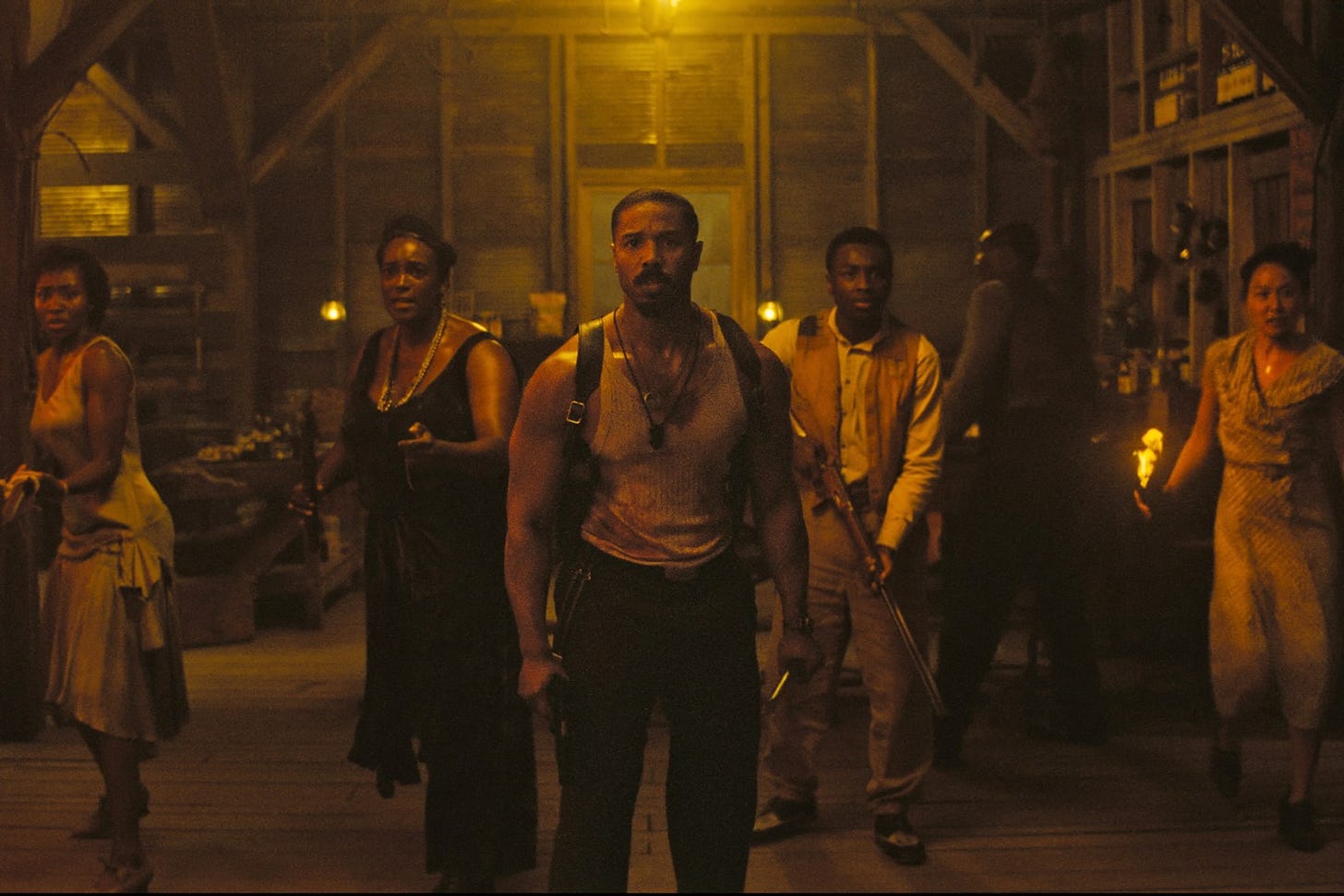
Taking the number one spot this year is Sinners! Every time Ludwig Göransson and Ryan Coogler collaborate, they seem to find a way to reinvent the sound of a genre, and this vampire story does exactly that! Ludwig managed to create something that feels incredibly heavy and ancient, but also terrifying and modern.
The score is built on this fusion of 1930s Delta Blues and these massive, distorted modular synth textures. None of the score sounds like typical “horror music.”
He brought in Jerry Cantrell and Lars Ulrich to ground the sound in something primal and heavy, but still feels so raw! The way he blends these textures…the distortion, the sound design, and even the hip-hop influences…it just feels so seamlessly supernatural and authentic!
Without a doubt, Sinners earns my highest ranking score of 2025!
Looking Ahead to 2026
Reflecting on the year as a whole, 2025 proved that audiences crave music that feels like a piece of the world-building with emotional, narrative intentionality. Looking ahead to 2026, I expect this trend to only get bigger as composers continue to blur the lines between traditional orchestration and experimental sound design.
But these are just my personal top 10. I know there are plenty of incredible scores from this year that I may have missed or haven’t had the chance to sit with yet.
What were your favorites?
Are there any scores you think should have been on this list? Reply back or let me know in the comments—I’d love to see what resonated with you this year!
Sign up for OdysseyNotes!
Stories, reflections, and insights on how composers create emotion through sound!