

Book #4 is done and it was about none other than the maestro himself: John Williams!
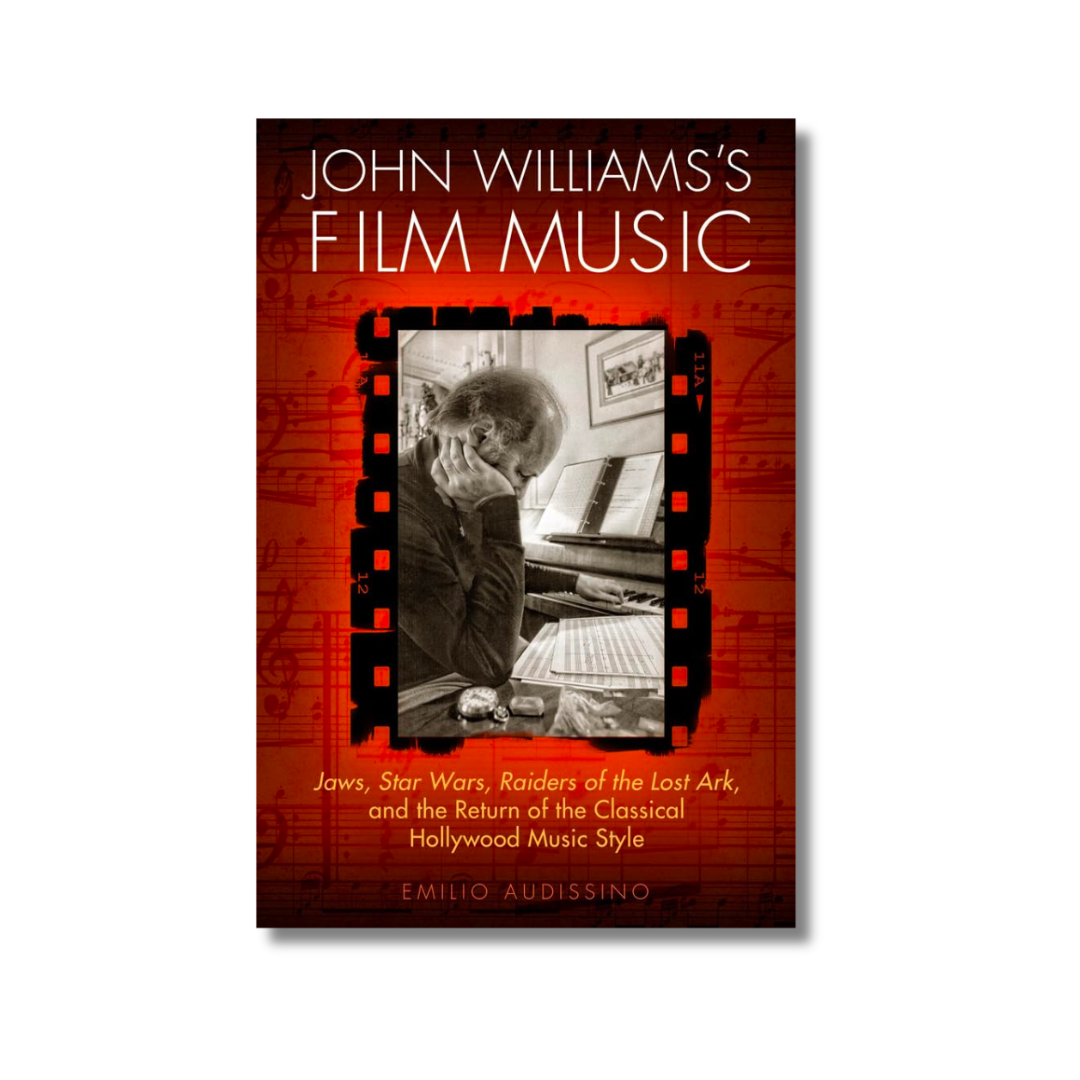
Last week I read the 4th read in my 2024 Book Challenge: John Williams's Film Music by Emilio Audissino.
For those who have been following along, or if you're just tuning in and want to join the book challenge, you can check out the ongoing list of books I've been exploring here.
Now this wasn't a typical biography of Williams but rather a detailed analysis of how his work contributes to the revival of Hollywood classicism in contemporary film scoring.
It's definitely more of a dissertation turned book but if you're interested in the characteristics and history of Williams' style, then it could be worth a read for yourself!
This book is a rich deep dive into the lessons that only 92 years of life experience and 54 Oscar nominations could teach us. As always, I wanted to share my key takeaways and some actionable steps that I hope resonate with you and your music!
🎵 Reviving Classical Techniques in Modern Compositions:
Williams's work shows the relevance of classical Hollywood music techniques, like the use of leitmotifs, thematic development, and orchestration that supports an overarching narrative!
🙇♂️ Study Classical Scores: Dive into the scores of classical Hollywood films to understand the techniques used. Pay special attention to how themes are developed and how music interacts with the story.
🎶 Incorporate Leitmotifs: Experiment with leitmotifs in your own music. Create distinct themes for characters, settings, & emotions, and explore how they can be varied or interwoven throughout a piece.
-
🎺 Practice Orchestration: Work on your orchestration skills to emulate the rich, textured sounds characteristic of classical Hollywood music. This might involve arranging pieces for different types of ensembles and experimenting with various instrumental combinations.
📖 Integrating Music with a Narrative:
Williams's compositions show the importance of integrating music with a film's narrative, using music not just as a background element but as an active participant in storytelling.
🎥 Analyze Film Scenes: Select scenes from films and try writing music that complements or enhances the narrative. Focus on how your music can reflect the emotions, pacing, and atmosphere of the scene.
🤝 Collaborate with Filmmakers: If possible, collaborate with filmmakers or work on student films to gain real-world experience in scoring. This can give you insights into how music and visuals work together in storytelling.
-
🗣️ Responsive Composition: Develop the skill of composing music that actually responds to dialogue and action. Practice writing pieces where the music takes a step back during dialogue and then comes forward when no words are spoken.
🎻 Master Orchestration and Thematic Development:
This book also highlights Williams's absolute mastery in orchestration and thematic development. His ability to create memorable themes and weave them throughout a film's score is a really valuable lesson for any musician looking to develop their composition skills.
✍️ Develop Signature Themes: Challenge yourself to create memorable, distinctive themes. These could be for imaginary characters or scenarios!
🎼 Study Williams's Scores: Analyze John Williams's scores to understand how he introduces, varies, and recapitulates themes in different contexts.
-
🎻 Orchestration Exercises: Regularly practice orchestrating your compositions for different ensembles. Experiment with texture, dynamics, and the emotional impact from a palette of orchestral sounds.
Don't forget to check out my 2024 Book Challenge for more great reads like this. I'm hoping this could be a great way to discover new perspectives and ideas that can enhance both your personal and professional life!