

The "2024 Book Challenge" is BACK and book #9 was "Supercommunicators" by Charles Duhigg.
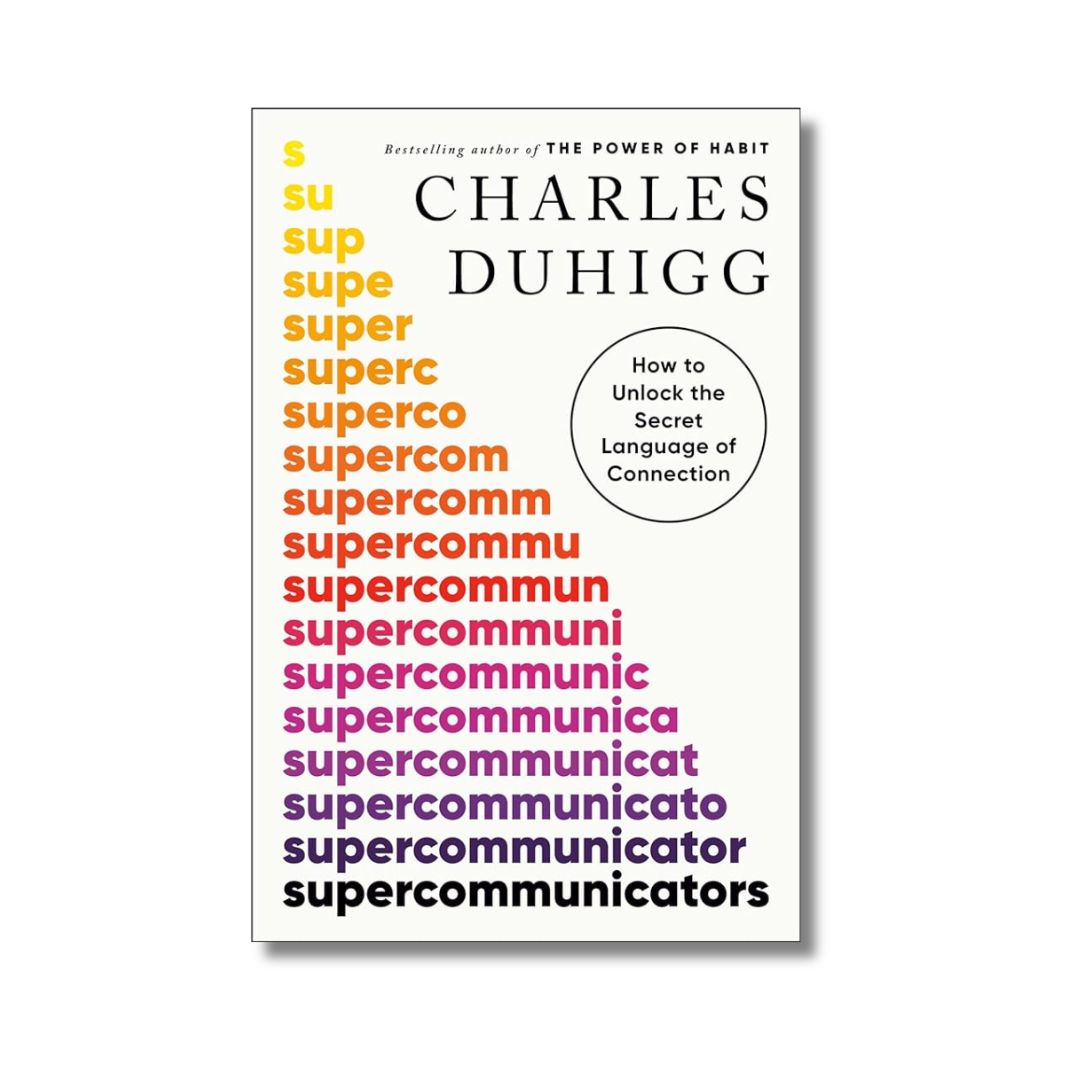
For those who have been following along, or if you're just tuning in and want to join the book challenge, you can check out the ongoing list of books I've been exploring here.
Something you should know about me is that I’m an extremely introverted person. I’ve always struggled in uncomfortable environments and avoided conflict- and yet as a composer trying to build up my career, I experience both of those things pretty often!
I used to think that effective communicators need to dominate conversations, that they must always be the ones steering the ship…and that did NOT match my quieter personality. If you’re anything like me and you struggle with communication then I highly recommend checking out this book! It reminded me that there are other ways to be an effective communicator that didn’t require me to dominate conversations- in fact- quite the opposite!
“Supercommunicators” shows the complexities of how we connect with others layer by layer. The best way I can describe it: reading the stories and examples felt like being drawn into the film "Inception". You learn more and more as you go down each level and by the time you resurface, you’re fully equipped to understand how each chapter story ends.
Duhigg’s approach showed me that there’s strength in active listening and in the quiet, intentional construction of connections!
What truly resonated with me is that being an effective Supercommunicator isn’t about being the loudest in the room. It’s about understanding, empathy, and the meaningful exchange of ideas.
As a composer who once saw my background in communication as a side step, this book reminded me how vital these skills are, especially for those of us actively engaging in collaboration and negotiation.
So let’s dive into the three key insights from "Supercommunicators" that have significantly impacted my approach to communication, reshaping how I connect with others in my music career!
1. 🧵 The Matching Principle: Tailoring Your Communication
Charles Duhigg introduces us to the matching principle, a concept that urges us to recognize and align our communication approach with the type of conversation we're engaged in—whether it's Decision Making, Emotional, or Social. This principle is key to enhancing our communication effectiveness, ensuring we're not just heard, but understood.
👨⚖️ Decision Making: When the talk turns to project directions or potential collaborations, we're in an area of decision-making conversations. Understanding this helps us shift our dialogue towards achieving clear, shared objectives, making sure all parties are aligned on the goals and steps ahead.
❤️ Emotional: Conversations that relate into feedback, personal experiences, or even the weight of a score are grounded in emotion. Here, the matching principle teaches us the importance of sharing our feelings and engaging in active listening. This emotional alignment can lead to deeper connections and a better understanding of each other's perspectives and needs!
🌎 Social: It's essential to acknowledge that some conversations are primarily about understanding our backgrounds, beliefs, or positions. Matching our approach in these conversations helps foster a sense of belonging and mutual respect, which is crucial for effective collaboration.
By applying the matching principle to these conversation types, we learn the art of tuning into the specific needs and nuances of each conversation. It's not just about adjusting our message, but also about modifying our delivery, tone, and even our listening skills to better connect with our conversational partners.
2. 👂 Practice Vulnerability and Active Listening
"Supercommunicators" dives deep into the idea of vulnerability and active listening, showing us how these elements are foundational to building strong, meaningful connections.
🤗 Vulnerability: Duhigg highlights the strength found in openness, in sharing not just our creative ideas but also our hopes, fears, and even the personal stakes we have in our work. This vulnerability breaks down walls, inviting others into our experience, fostering a shared sense of purpose and understanding. It’s about making our conversations as transparent as the emotions we pour into our music, allowing for a genuine exchange of ideas and feelings.
🧏♂️ Active Listening: This involves engaging with the speaker’s message, asking probing questions, and showing genuine interest and empathy. This level of attentiveness can reveal underlying motivations and feelings, opening up avenues for deeper collaboration and insight. It transforms passive exchanges into active collaborations, where every participant feels heard and valued.
Together, vulnerability and active listening allow us to navigate our projects with sensitivity and depth!
3. 🤝 Master the Art of Quiet Negotiation
I used to think negotiation was the scariest, hardest part of communication. However, "Supercommunicators" presents it as an art form, where we lay out our goals, norms, and mutual benefits that lead to positive outcomes for everyone involved.
🎯 Recognizing Goals: Understanding the goal that each party brings to a conversation is the first step in successful negotiations. Whether aligning on a project's vision or ironing out logistical details, recognizing these goals allows for a conversation that addresses the core of what everyone hopes to achieve.
🤔 Establishing Norms: Duhigg stresses the importance of setting clear norms for how decisions are made. This could mean establishing upfront whether decisions will be democratic or if someone will have the final say. What are the expectations from both parties? By clarifying these norms early on, we can prevent misunderstandings and conflicts, creating a framework built for creativity and collaboration.
⭐️ Finding Common Ground: Rather than focusing on what you want, identifying areas of agreement is key. This mindset shift from confrontation to collaboration creates an environment where innovative solutions are born. This way, negotiations lead to outcomes that are greater than the sum of their parts!
Mastering quiet negotiation empowers us to approach each interaction not as inevitable conflict but as an opportunity for creative problem-solving and collaboration!
Integrating these strategies into how we communicate can really change the game for composers. It's about making every conversation as effective and impactful as possible, whether we're discussing the nitty-gritty of a new project or the broader strokes of a collaboration.
I'm excited to hear your thoughts or any strategies you've found effective in your own experiences- Let me know! And don't forget to check out some of the other books I've been reading for my 2024 Book Challenge!