Darkened hallways, lurking shadows, and the unmistakable sensation of impending doom - all enhanced by the spine-chilling notes of horror music. But what is it about these melodies that send shivers down our spines? Let’s embark on a haunting journey through the history and characteristics of horror music.
A Brief History of Horror Music
The origins of horror music can be traced back to the early days of silent film. Filmmakers needed a way to convey emotion without the help of dialogue, and so they turned to music! With the 1920s came classics like "Nosferatu," where an ominous orchestra set the tone for the malevolent presence of Count Orlok.
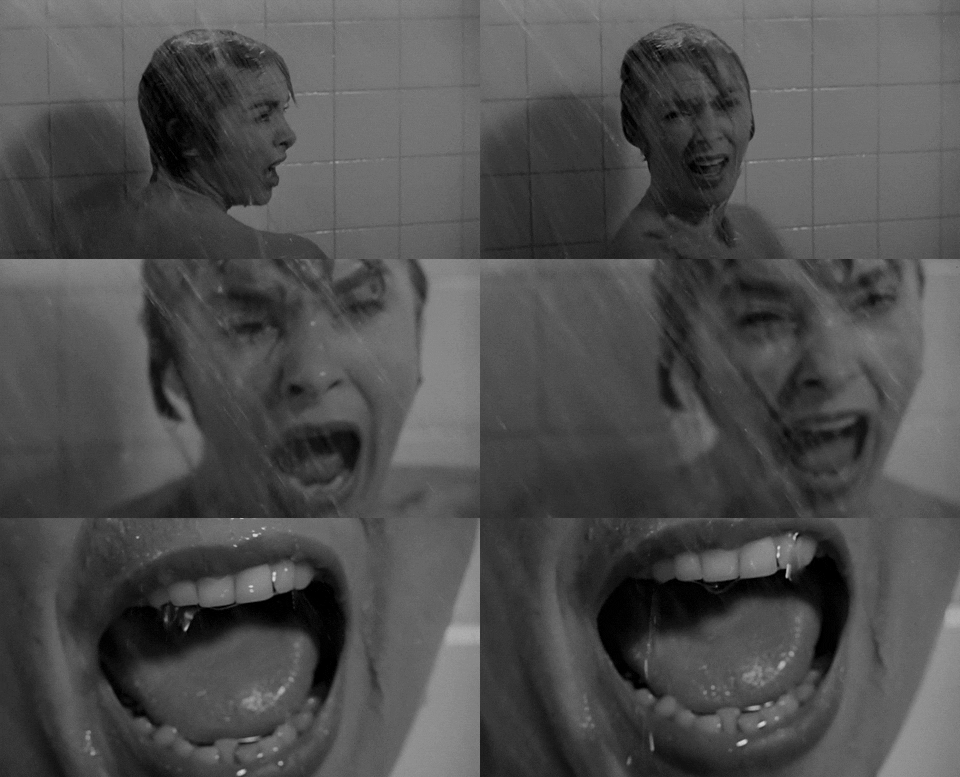
Fast forward to the 1960s and 70s, and we get iconic horror soundtracks like Bernard Herrmann's "Psycho". We all know the sound of the sharp, piercing strings of the shower scene!
John Carpenter's self-composed score for 1978's "Halloween" introduced that icon repetitive synthesized melody, adding a totally new layer of unease to the horror genre!
Over the decades, as horror films evolved, so did their scores. From orchestral arrangements to electronic beats, back to the use of more unsettling orchestral techniques, the essence of horror music remained - to evoke fear!
What Makes Horror Music So Effective?
-
Dissonance: At the heart of horror music is dissonance - the clashing of notes that our brains perceive as unstable or tense. This creates that innate sense of unease. Think of the jarring chords in "The Shining" or the off-tune piano in "The Exorcist."
Actionable Tip: Experiment with unconventional scales, such as the diminished or whole-tone scales. Make use of those tri-tones!
-
Unpredictability: Sudden changes in volume or tempo keep listeners on edge. Imagine a soft lullaby suddenly turning into a deafening roar! The unexpected is always terrifying.
Actionable Tip: Use sudden modulations or key changes. Introduce unexpected instruments or sounds at important moments to catch the listener off-guard
-
Repetition: Repetitive melodies, like the John Williams' "Jaws" theme can bring on such anxiety. That constant loop gives a sense of something inescapable, always lurking.
Actionable Tip: Develop a motif or theme and reintroduce it in various forms throughout your track.
-
Unnatural Sounds: Instruments played in unconventional ways, or sounds that are warped and distorted, create an otherworldly atmosphere.
Actionable Tip: Try recording yourself playing an instrument... totally wrong! My friend once asked me to send him recordings of myself playing the cello in extremely creepy ways! Get creative with these sounds!
-
Silence: Sometimes, the absence of sound can be more frightening than any piece of music. Moments of silence build tension, making the return of that sound even more jarring!
Actionable Tip: Let's be clear- you want to do this strategically! Let the silence linger just a tad longer than comfortable, then introduce a soft, unsettling melody or sound.
-
Evocative Instruments: There are some instruments that have become staples in horror thanks to their unique tones.
Actionable Tip: Experiment with less common instruments for horror, like the duduk or hang drum. Their unique sounds can add an unexpected layer of fear. Really take advantage and explore what your sample libraries have to offer!
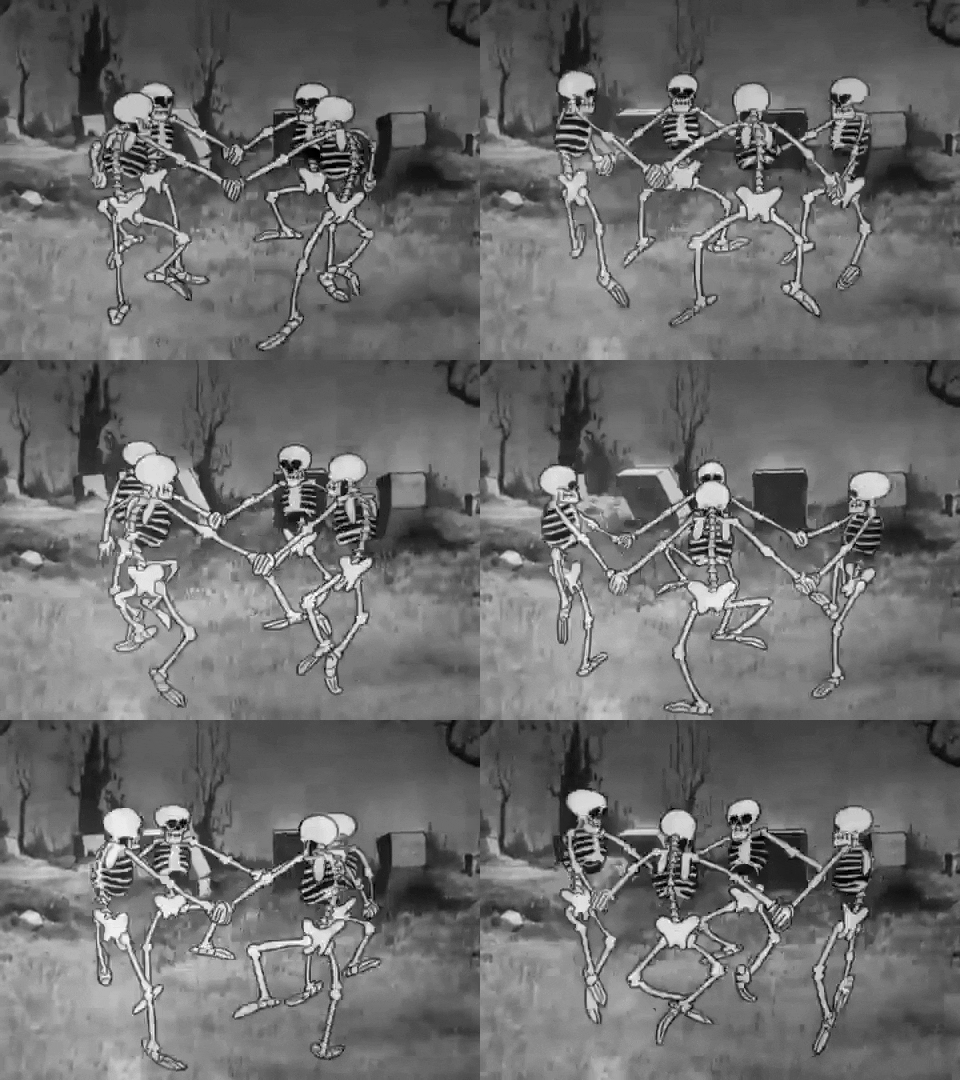
Effective horror music is about more than just jump scares; it's about understanding human psychology and how different sounds evoke our emotions. By mastering the techniques of the genre and constantly experimenting, composers can create tracks that not only complement the visuals but become important to the horror experience itself!