

It’s been a few weeks since I’ve shared a new book in my 2024 Book Challenge! Sometimes I overdo it, get overwhelmed, and don’t pick up another book for weeks on end 😅
Lately, I’ve discovered a ton of new books I want to check out and as a result have gotten back into reading!
I should also note that these are specifically books that I think can help composers and musicians! I’m also currently reading some of the Star Wars: High Republic stuff!
Book #10 in the challenge is called How to Get Clients by Steve Chandler.
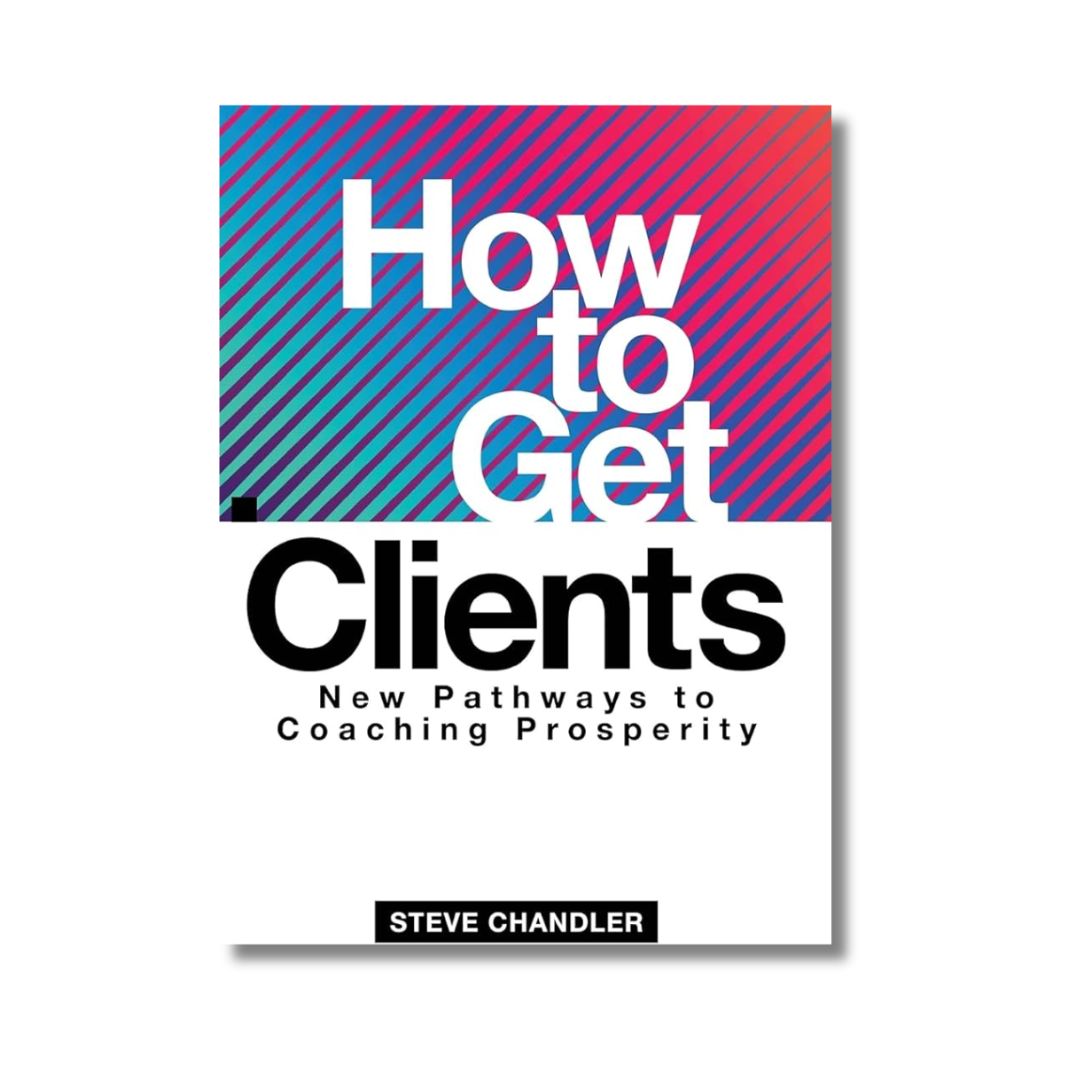
For those who have been following along, or if you're just tuning in and want to join the book challenge, you can check out the ongoing list of books I've been exploring here.
The other week, I was chatting with my buddy Zach Heyde about finding students for my new strategy sessions that I’m offering and he recommended this book. And even though the book focuses on “coaching”, as I was reading, I realized that nearly the whole thing can apply to finding clients and projects as a composer as well!
So as always, here are my top 3 takeaways that you can apply to your own music career.
🤝 Build Genuine Relationships
It might not come as a surprise to you that if you’re trying to find new clients to work with, your success relies on building strong, authentic relationships.
Honestly, I’ve reached a point where I won’t take on a project if I can’t see myself actually connecting with them. The worst thing is working on a project that you’ve grown to hate. I’ve been there and it almost always stems from a lack of genuine connection with the other party.
Here’s how you can start building those relationships:
Understand Client Needs: Before pitching your music or services, invest time in understanding the client’s project FIRST. What are their goals? What emotions do they want to evoke? What themes or narratives are they focusing on? This allows you to tailor your approach and show how your music can possibly align with their vision!
Show Empathy & Interest: Clients appreciate composers who show genuine interest in their work! Engage in conversations where you listen more than you talk. Ask thoughtful questions about their projects, their challenges, their goals. This builds trust and shows that you’re actually invested in their success!
Provide Value First: Instead of immediately trying to sell your services, offer value upfront. How can you share insights, suggestions, or even samples of your work that might help them. Not just your demo reel either- maybe write something short that they can use in their project free of charge. This not only showcases your expertise but also creates a sense of trust, making clients more likely to engage with you!
👓 Focus on the Client’s Vision
Clients are more likely to hire you if they believe your music can bring their art to life.
Here’s how to align your work with their needs:
Highlight Relevance & Impact: When discussing an upcoming project, emphasize how your music can enhance their story. For example, if you’re pitching to a director, explain how your music can impact the emotions of key scenes & characters or how it can complement the overall aesthetic.
Offer Samples & Demos: Like we mentioned before, let those clients get to know your work by giving them relevant custom demos. This gives them an actual sense of how your music will fit their project and let’s them see your capability to deliver what they’re looking for. You’re not sharing a demo reel that highlights every possible genre but rather showing something that is tailored towards them!
-
Articulate Your Unique Value: Differentiate yourself by explaining your unique approach to composition. Whether it’s your ability to blend genres, your experience with specific types of films or games, or your collaborative process, make it clear why you are the best fit for their project!
If you need help with this, you should check out my XYZ Formula video on how to stand out as a composer!
🕓 Dedicate Time to the Client
Now assuming you’ve followed steps 1 & 2, the idea is to maintain that relationship as well! Regular, meaningful communication is key to building strong relationships and securing future projects.
Here’s how you can maintain effective client interactions:
Consistent Follow-Ups: Regularly check in with potential and current clients. This could be through emails, phone calls, or even social media DMs. Another composer friend, Cheska Navarro, often shares how she's been able to discover, connect, and maintain relationships with her clients through social media! Consistency shows that you are reliable and dedicated to their project!
Active Listening: In every interaction, prioritize listening over speaking. (Honestly this goes for personal relationships too! 😂) Clients want to feel heard and understood. Pay close attention to their feedback, concerns, and ideas, and use this information to refine your approach and better meet their project!
-
Showcase Your Process: Transparency about your working process can build confidence. Share how you develop themes, your workflow, or even how you handle feedback and revisions. This demystifies the whole process and makes clients feel more comfortable and involved!
This is a great tip even if you’re in the client discovery phase! If someone hears your name, likely the first thing they’ll do is try to find your Instagram profile. If you can document what you’ve done and what you’re currently up to, new clients might want to reach out!
Again, the book itself might have more of a focus on coaching BUT I think really think so many of the tactics here can help any composer start connecting with potential clients! And don't forget to check out some of the other books I've been reading for my 2024 Book Challenge!