

The string section forms the backbone of SO many orchestral works and film scores… for good reason!
Their expressive range, technical capabilities, and unique ability to blend together offer composers a TON of textures and sounds to work with and apply to their music.
But if you’re writing for strings for the first time or you’re realizing your work doesn’t quite match up to the pros, here are three essential concepts that you might not know about for effective string writing:
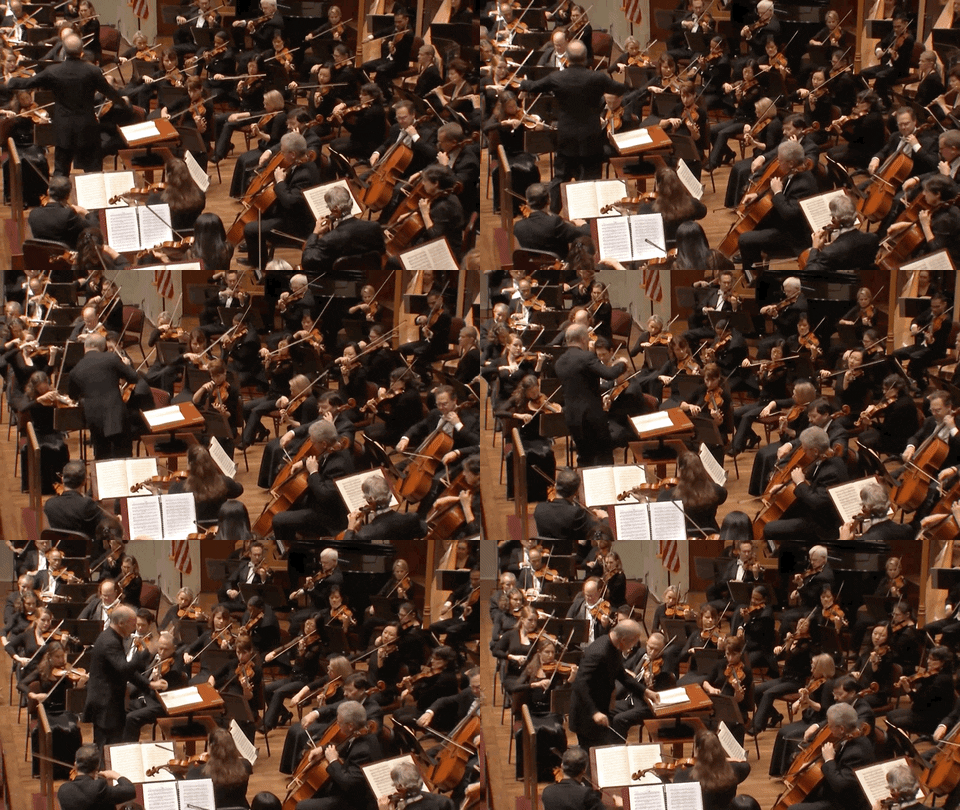
🔀 The Power of Homogenous Blend
Individual string instruments – violin, viola, cello, and double bass – share a core sonic quality despite their differences in size. This allows them to create an incredibly unified sound.
Plus there are a few advantages to this more homogenous blend:
Versatile Layering: You can easily layer contrasting string parts (such as a legato violin melody over a pizzicato cello line) while maintaining a cohesive overall sound.
Straightforward Range Considerations: Compared to woodwinds or brass, the standard ranges of string instruments are more straightforward, easing the process of writing for virtual instruments in particular.
🤸 Agility: From Lyrical to Rhythmic
The string section can easily navigate both lyrical melodies and rhythmic energy. This means composers have access to a wide expressive toolkit, great for everything from intimate solo works to grand and epic orchestral pieces!
Wide Dynamic Range: Strings can effortlessly move from delicate pianissimo passages to powerful fortissimo sections, giving composers control over the emotional impact!
Technical Precision: Experienced string players can play complex passages, arpeggios, and rhythmic patterns with accuracy, allowing for more textural and rhythmic detail in your music.
🎭 Techniques as Expressive Tools
Beyond basic notes and articulations, specific string techniques introduce unique sonic textures and dramatically influence the emotional character of a passage.
Manipulating Emotions: Techniques like tremolo, trills, and sul ponticello can evoke specific moods, from suspense and tension to awe and mystery.
Articulations as Characterization: Short, sharp attacks can suggest determination, whereas long, legato phrases can create a sense of gentleness or warmth. Consider how your choice of articulations mirrors the personality of a character or the atmosphere of a scene!
📈 Putting It into Practice
Remember, you're not writing for the piano in block chords! You have plenty of ways to keep your strings exciting . Understanding the homogenous blend, agility, and expressive techniques of the string section allows you to take advantage of their full potential as a composer.
The next time you listen to a piece featuring strings, try to focus on identifying the different techniques used and the impact on the emotional landscape of the music. More importantly, ask yourself how you can replicate and apply that sound to your own work!