

Book 2 of my 2024 Book Challenge is complete!
In my latest read, This is What It Sounds Like by Susan Rogers and Ogi Ogas, I found myself completely immersed in a discussion all about what our tastes in music say about us.
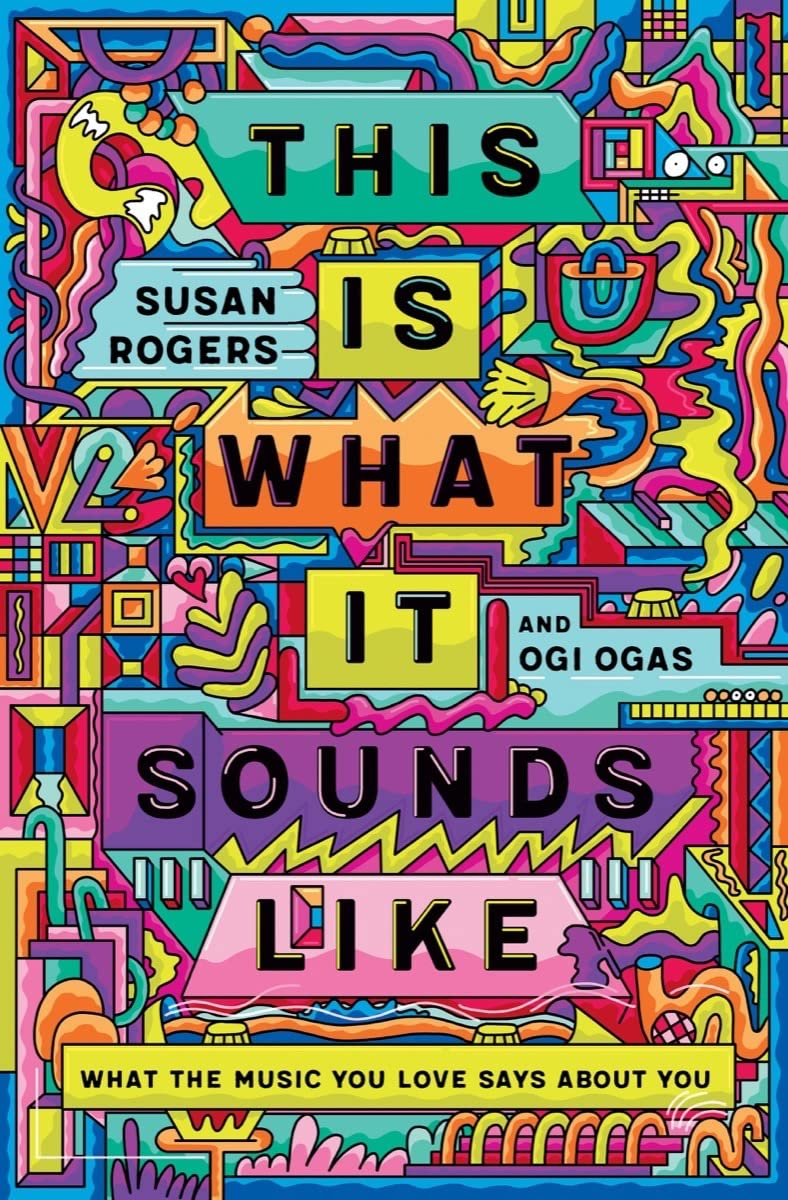
I actually liked that it's not a typical read about music (sure there's some basic theory tips for non-musicians 😉); but it's more about how music preferences are a natural part of our identity. The authors frame the book into seven dimensions of musical listening, offering a comprehensive view on why we might be drawn to certain types of music.
👨🎤 Understanding Your Musical Identity
The authors break down why we prefer certain music, focusing on what they call "dimensions"
❤️ Authenticity: Helps us connect with music that feels genuine and emotionally true.
🎶 Realism: Relates to how closely it reflects real-world sounds and experiences, whereas abstraction is more about the imaginative and interpretive aspects.
🎉 Novelty: The balance between familiar and new musical elements.
🎤 Melody: Differentiating between whether you lean towards complex, intricate melodies or simple, catchy ones can significantly influence your compositional style and how your music resonates with others!
💬 Lyrics: For lyric-focused listeners and musicians, the words can be the very core of a piece.
🥁 Rhythm: Can guide the tempo and beat that define the style and feel of your music, impacting how listeners engage with it physically and emotionally.
🎨 Timbre: The color of music; essential in setting the tone and atmosphere of a piece.
Each of these dimensions offer a different perspective on our musical choices in our compositions. They help us understand not just our own preferences, but also those of our audience!
🥰 Music is Subjective
As musicians, this is crucial to grasp! Everyone's background, experiences, and personal journey uniquely shape their musical tastes. This means that a single piece of music can be interpreted and felt in so many different ways by so many different listeners.
This diversity in perception and emotional response is what makes music so universally powerful yet intensely personal.
If we can understand that, it encourages us to approach our music with an open mind, respecting a wide range of what our audience values.
I think it also can inspire us to experiment and explore, knowing that what resonates with one person might not with another... and that's perfectly okay!
Embracing this diversity can lead to more innovative and inclusive music-making!
🎧 The Power of Active Listening
The concept of active listening is a significant theme in This is What It Sounds Like. For us as musicians (and general enthusiasts), this goes beyond just hearing the music.
Active listening involves engaging with the music on a much deeper level, understanding its nuances, and appreciating its complexities. It's about fully immersing ourselves in the sound and the story it tells!
This skill is not just great for our own enjoyment; it's crucial for our personal growth as musicians!
By actively listening, we can pick up on subtle details in a composition, in orchestration techniques, the mixing and mastering, etc. But more importantly, we can learn from them, and apply those insights to our own music!
It helps us to understand and appreciate the intent behind a piece, making our experience richer and more informed!